- Introduction & Background
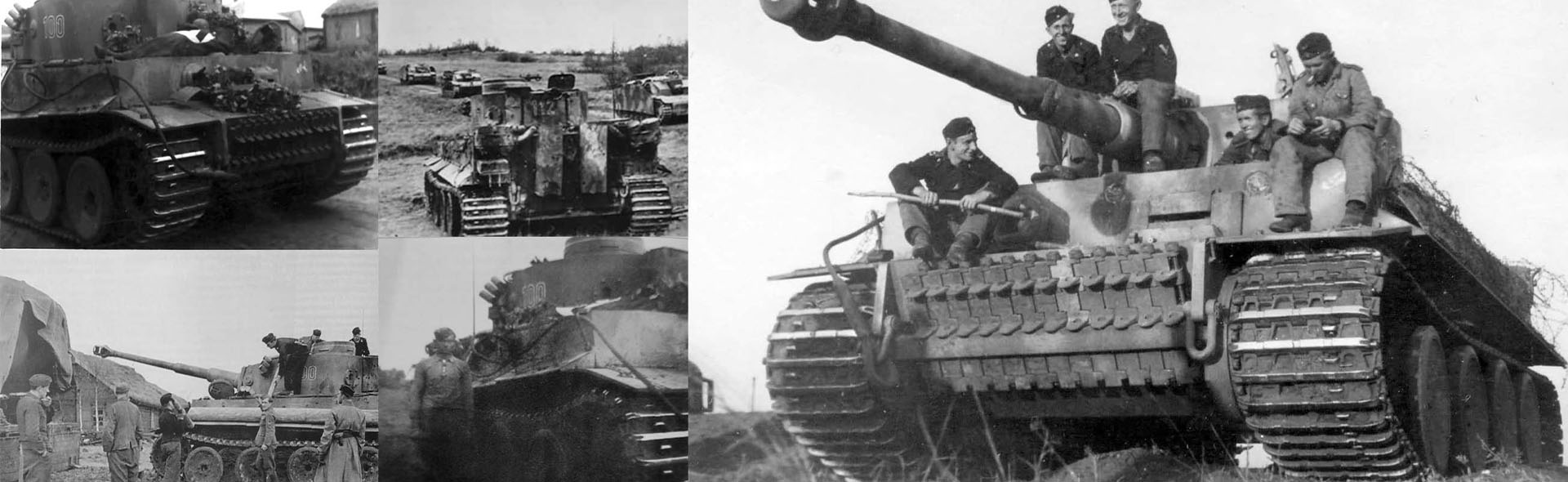
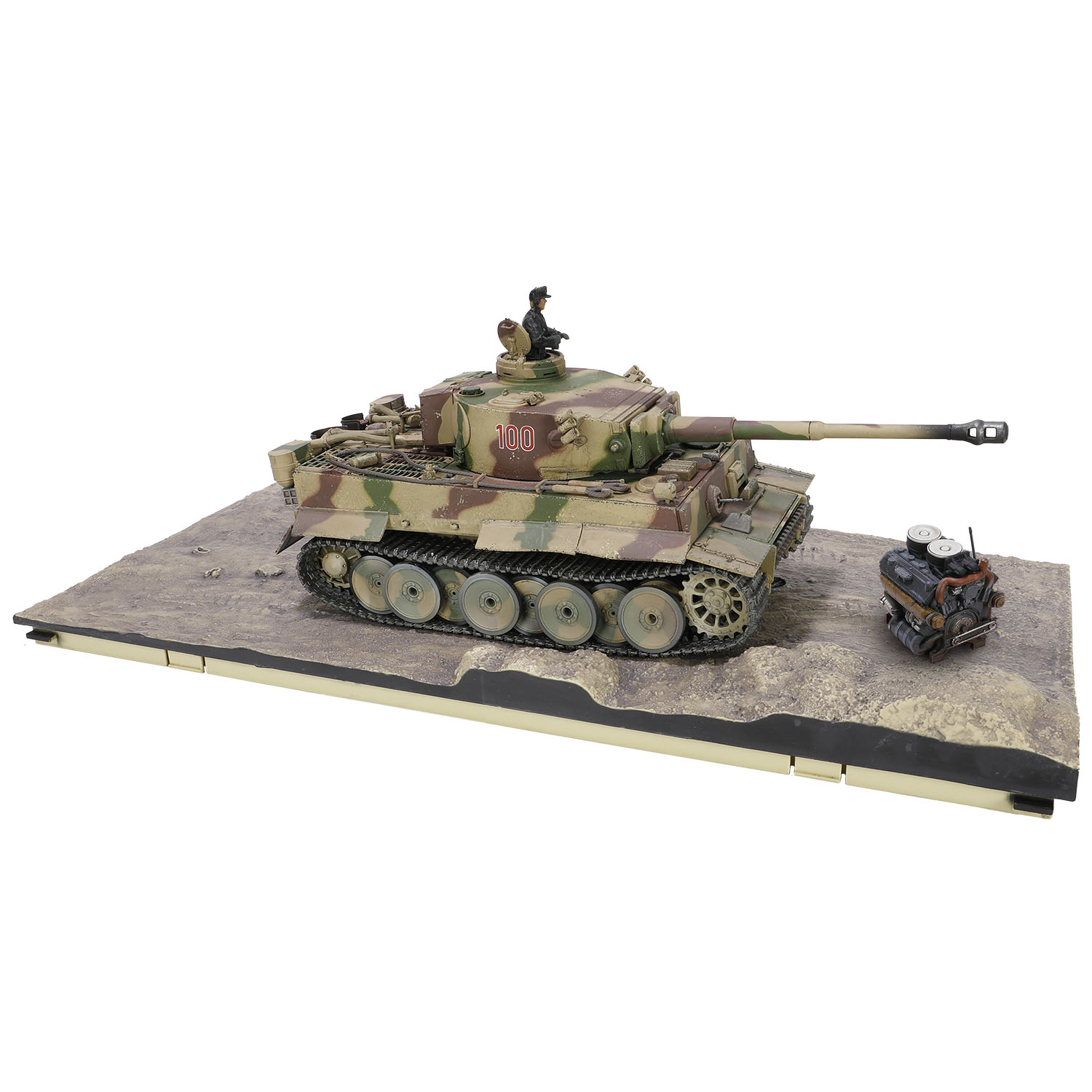
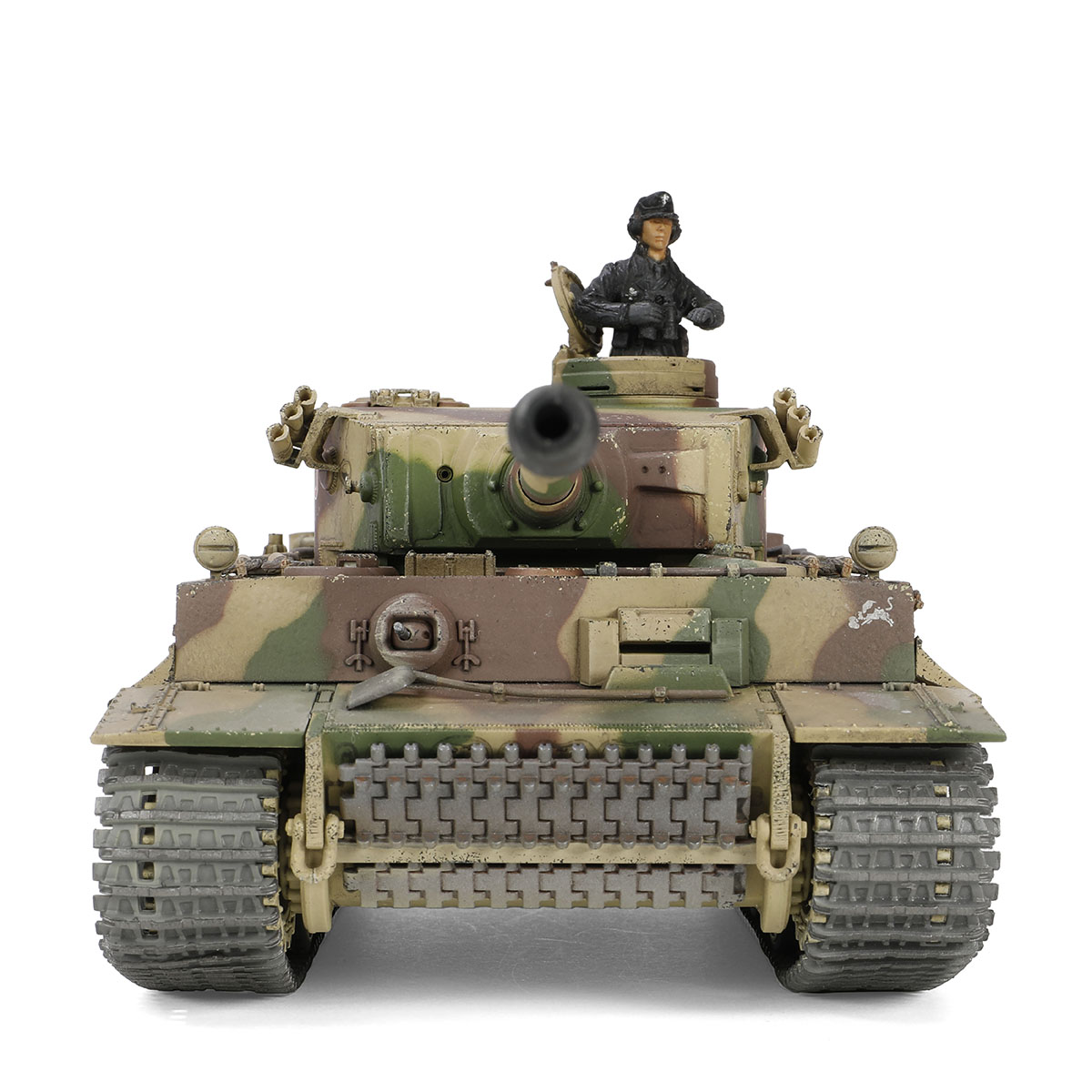
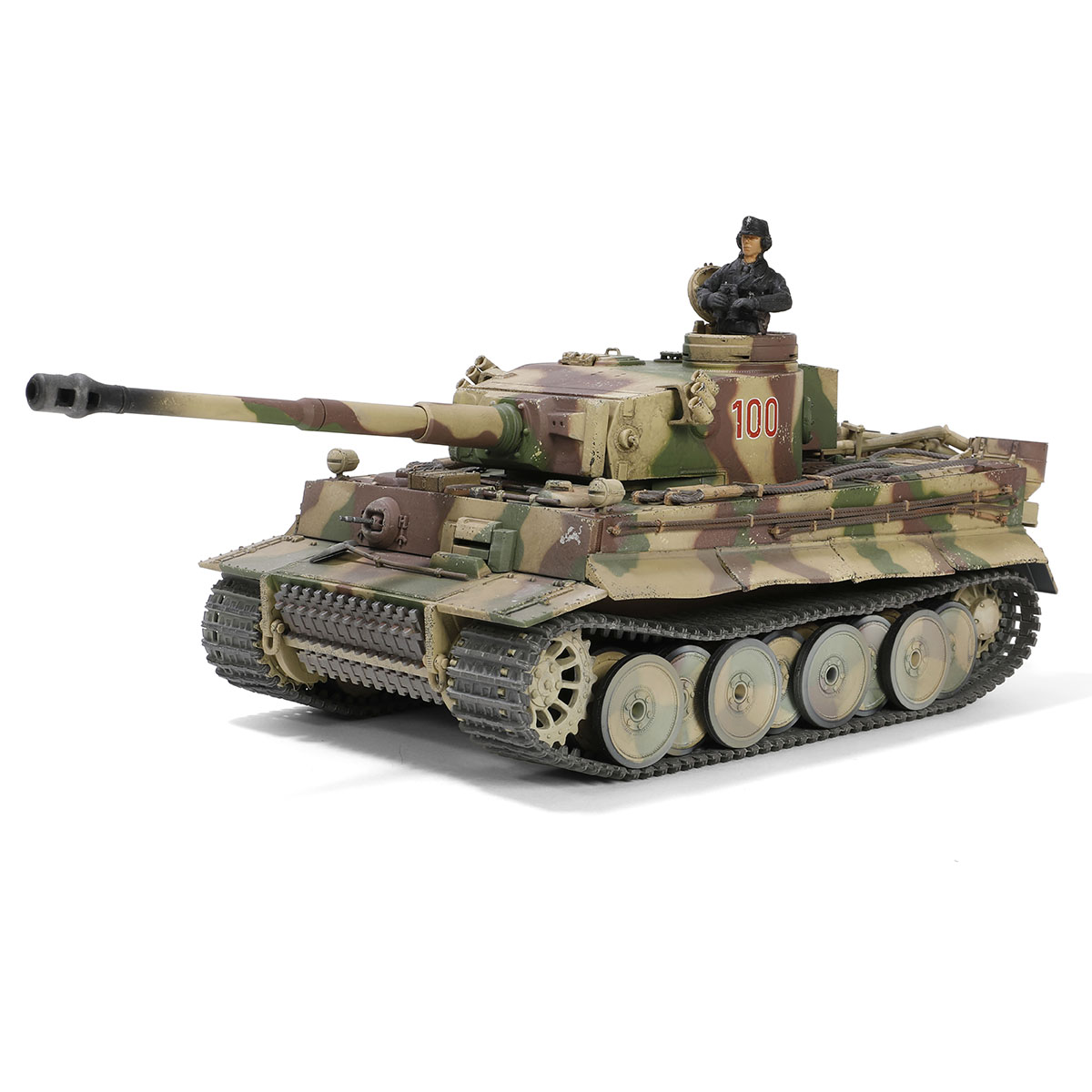
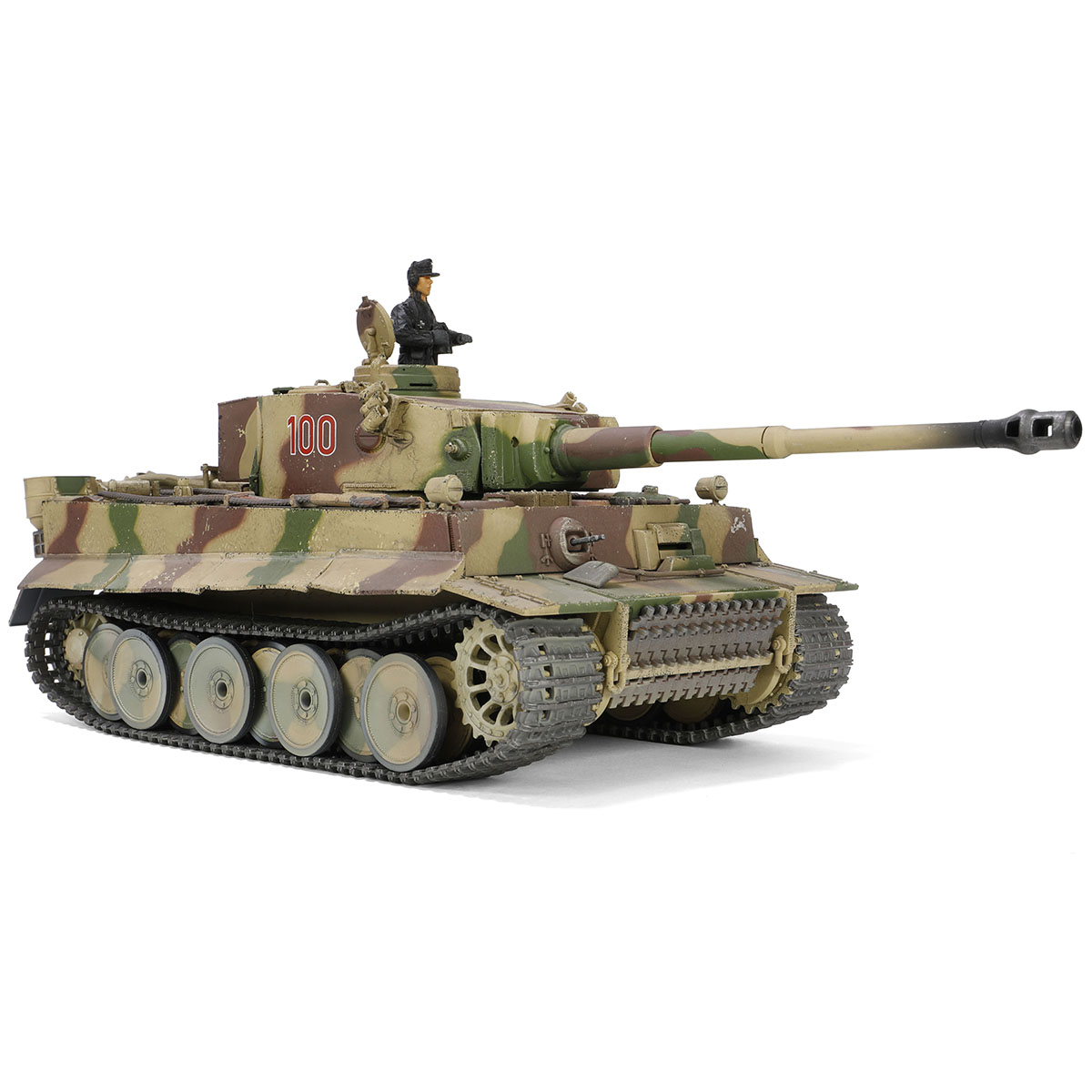
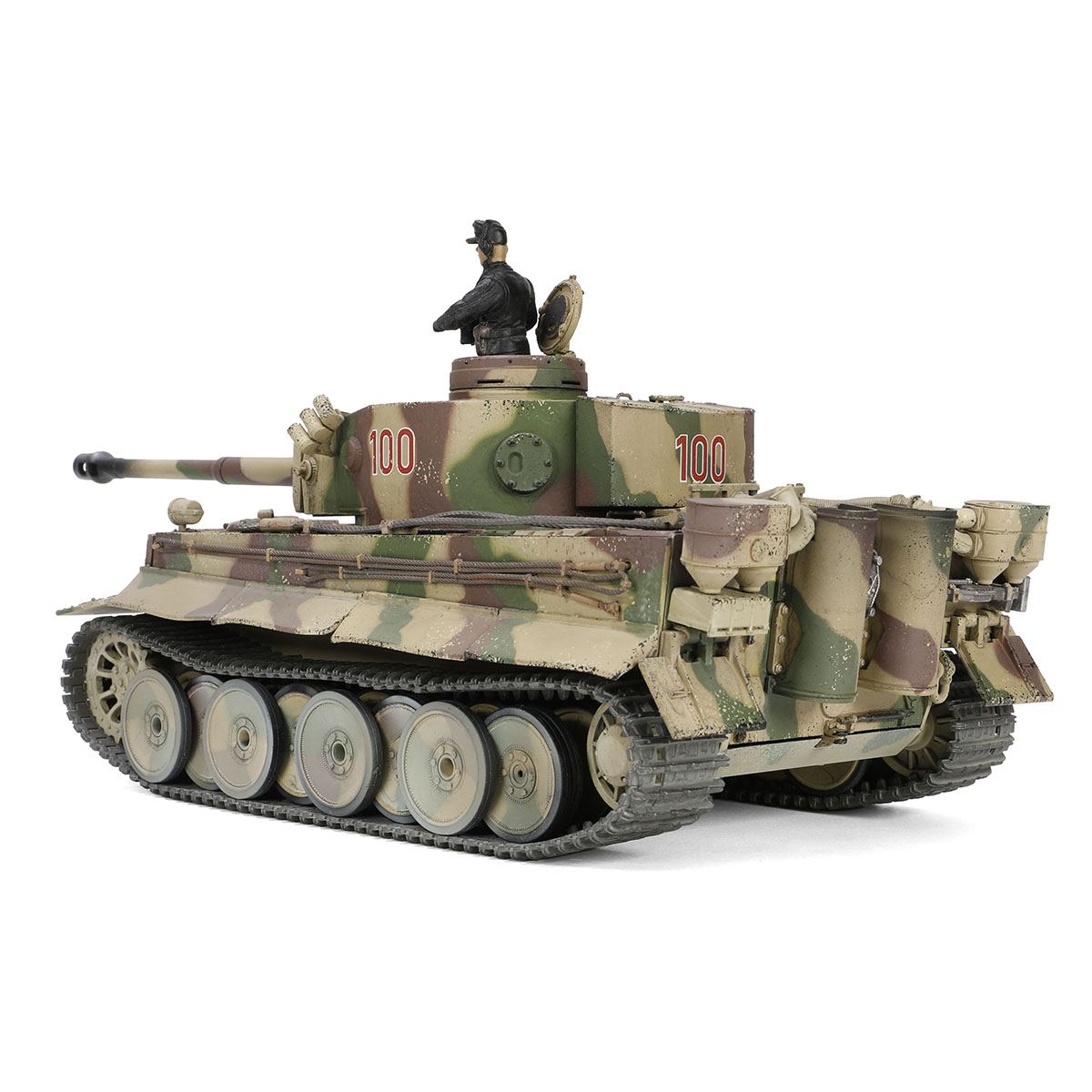
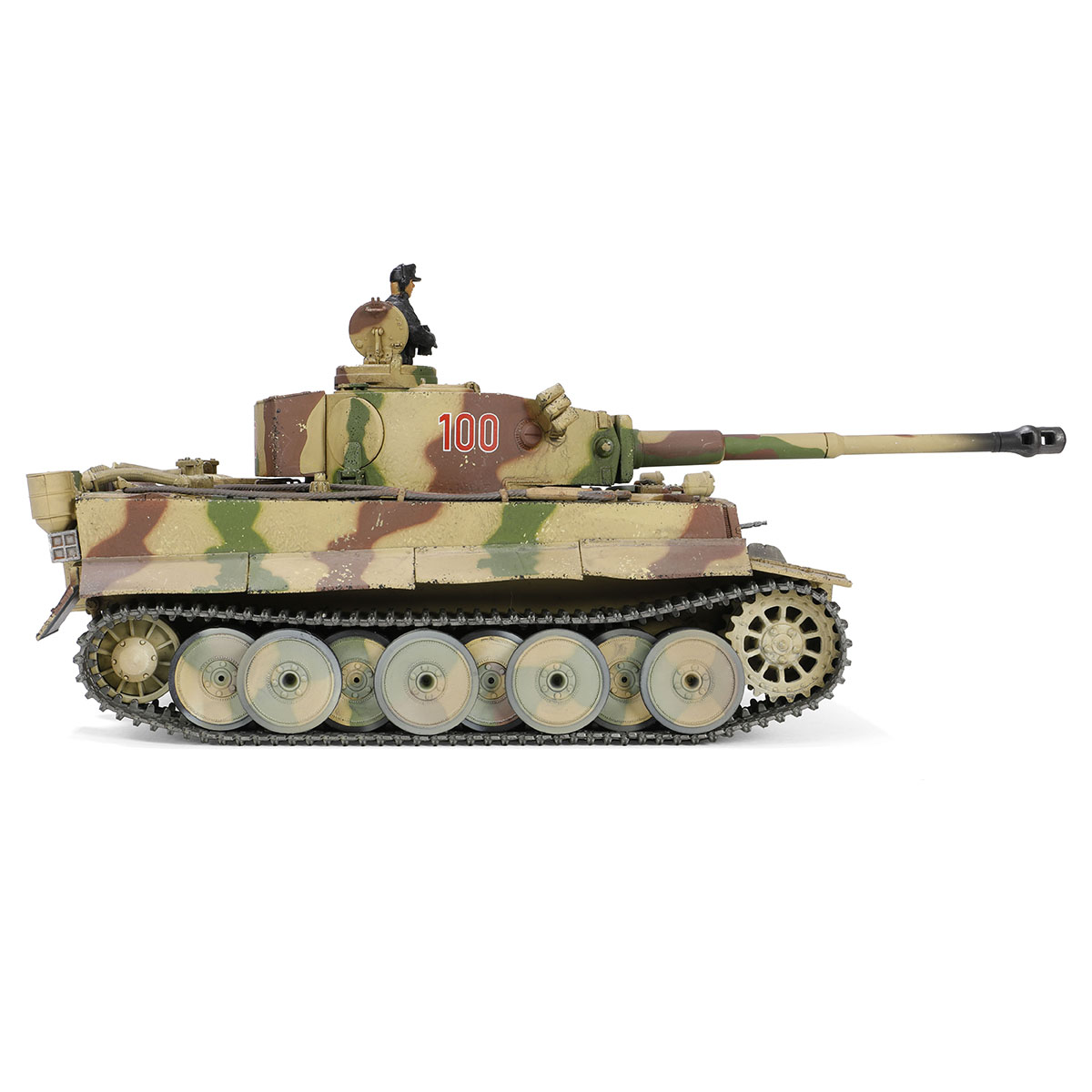
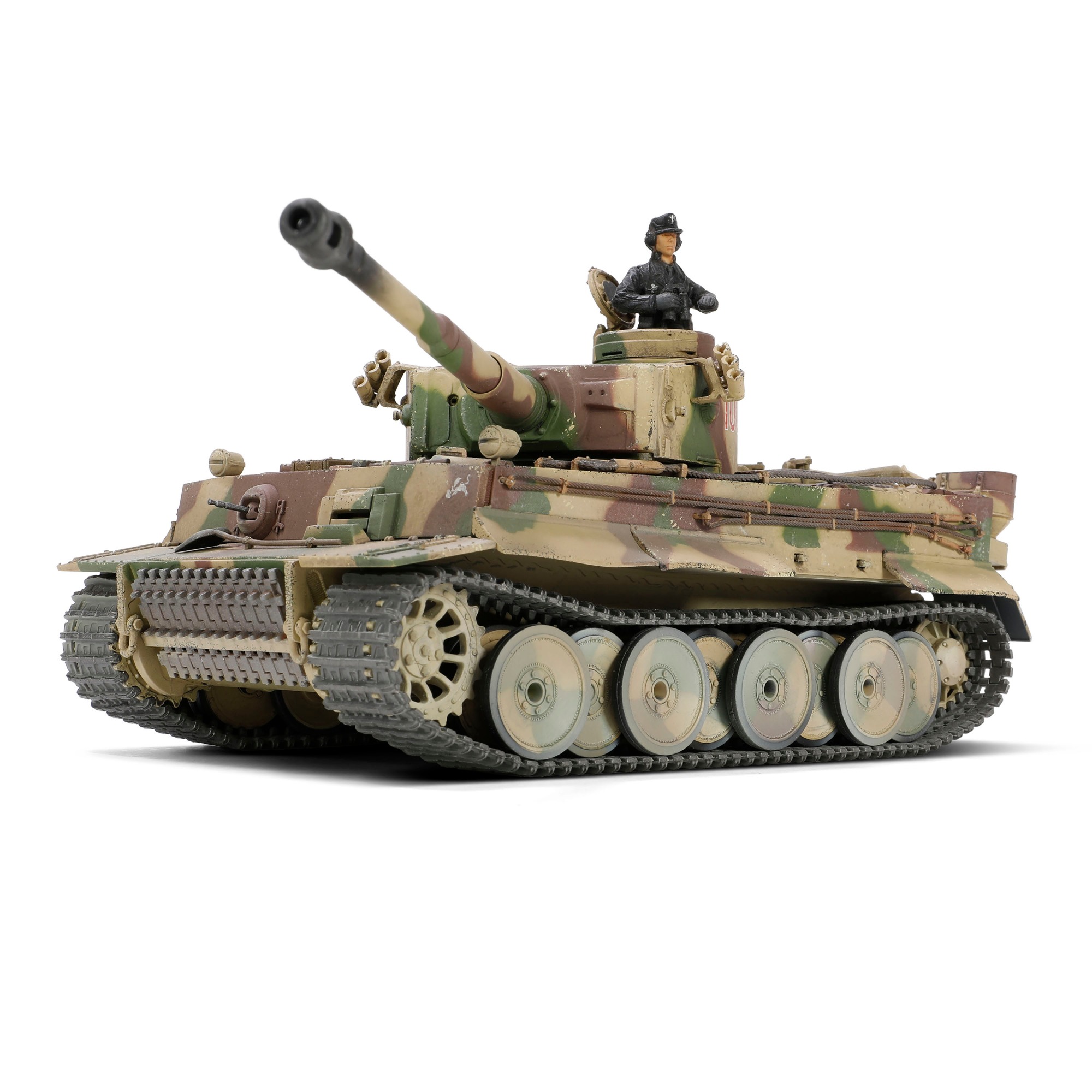
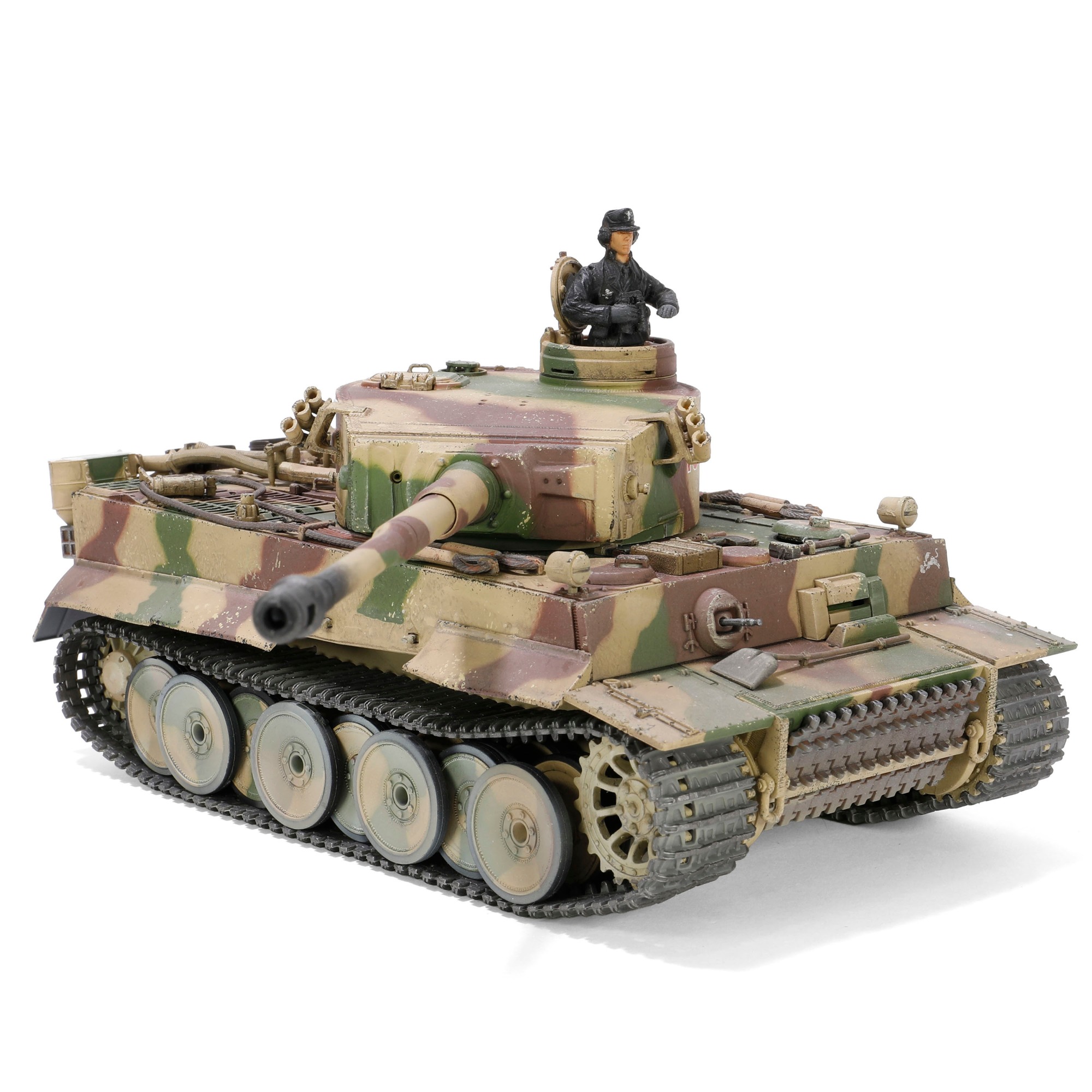
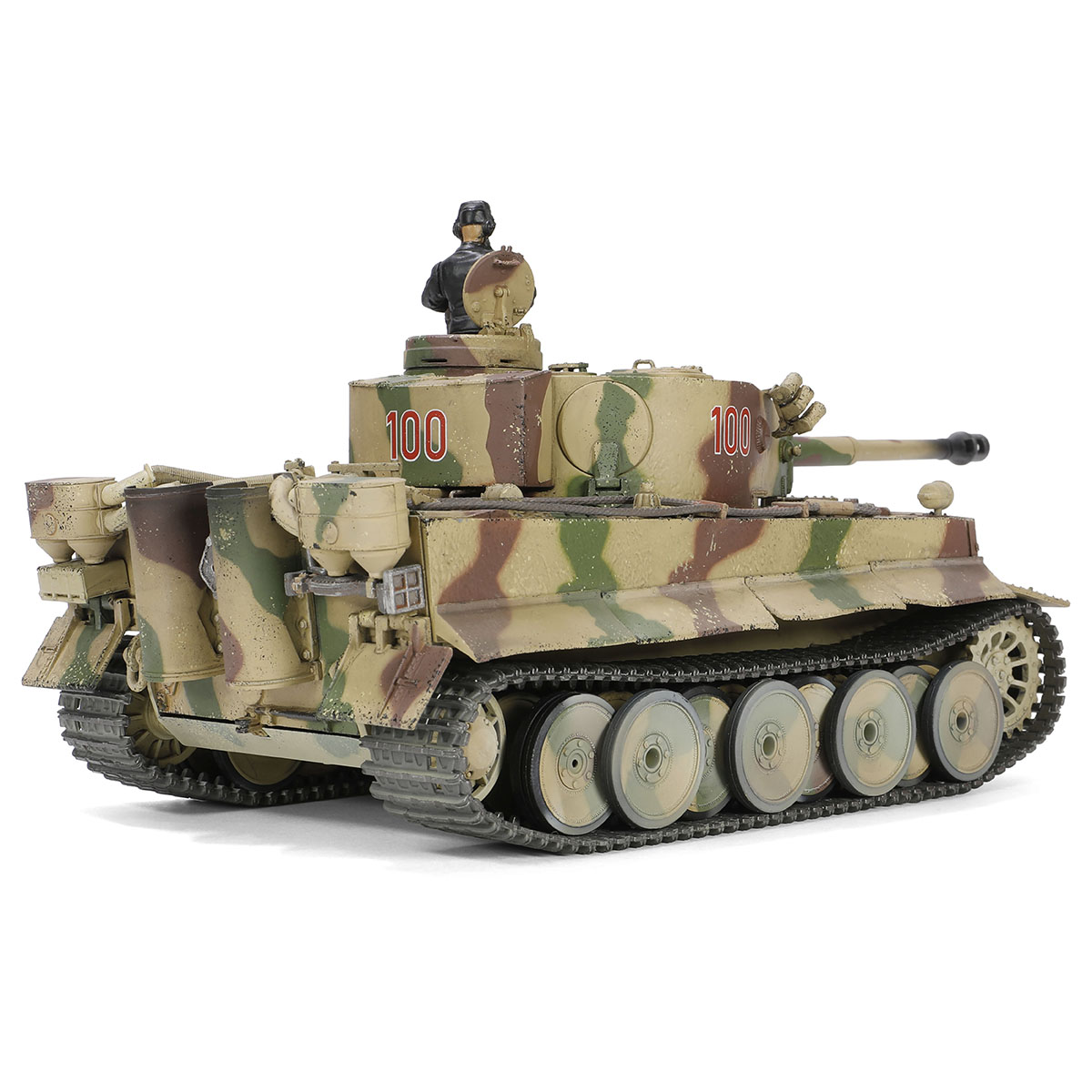
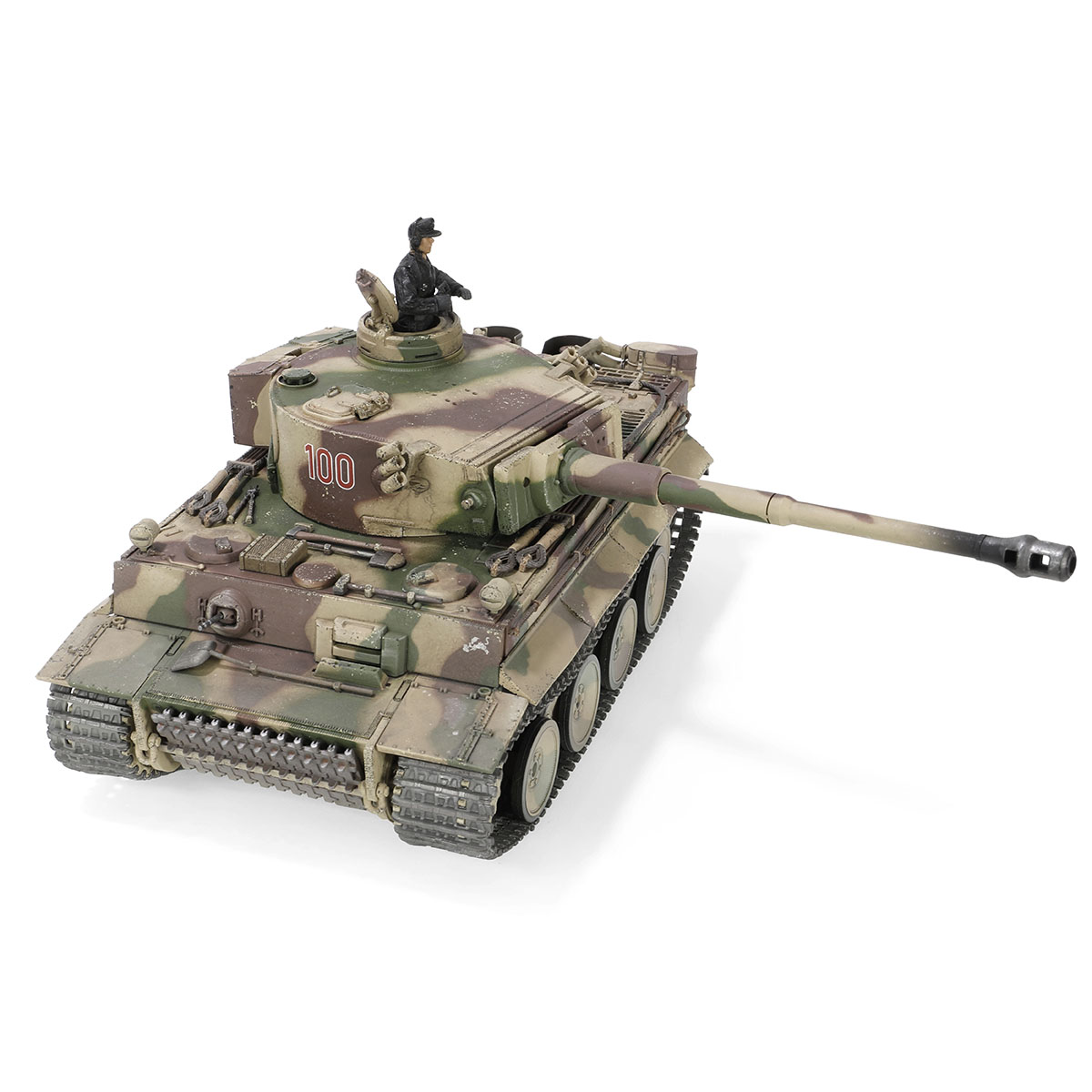
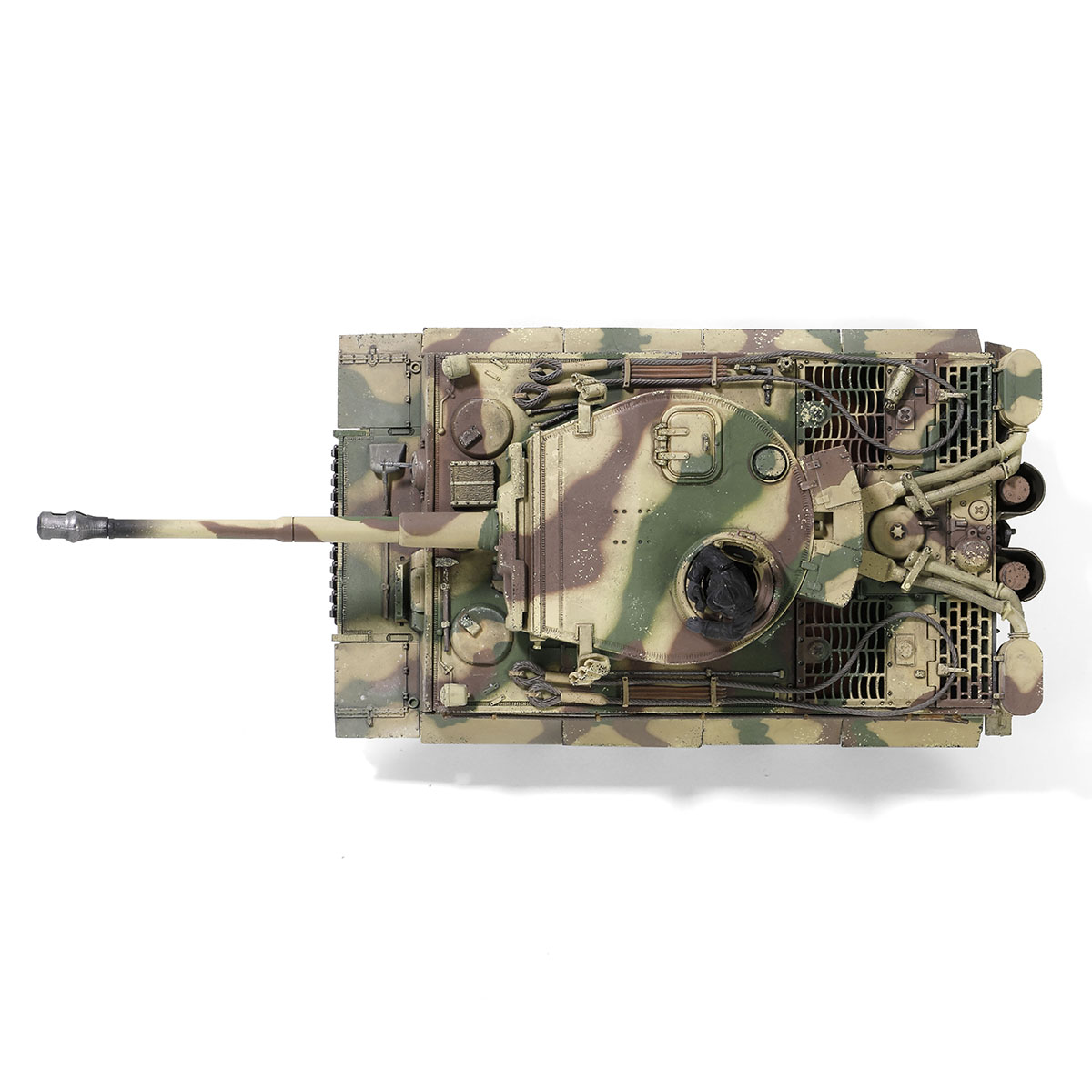
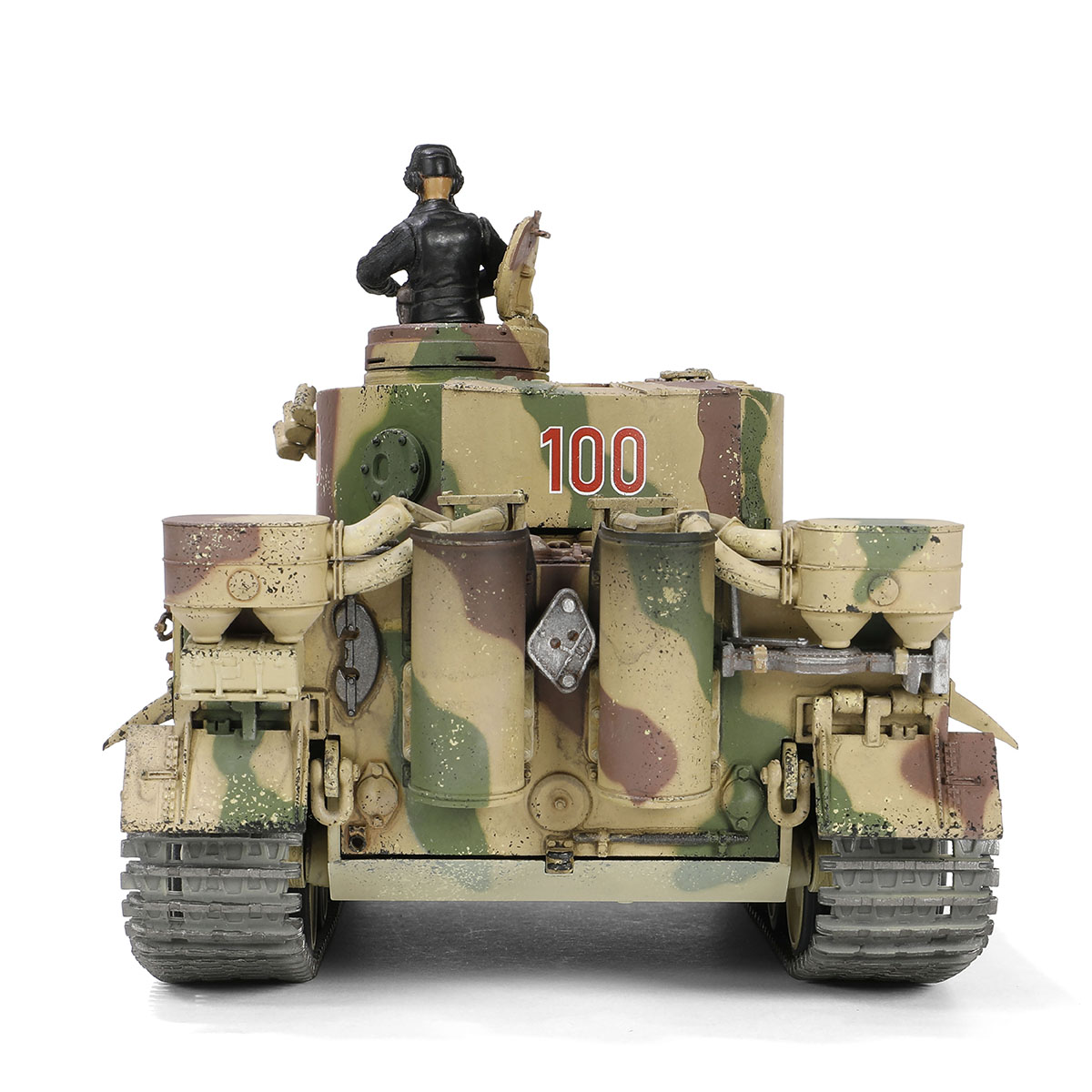
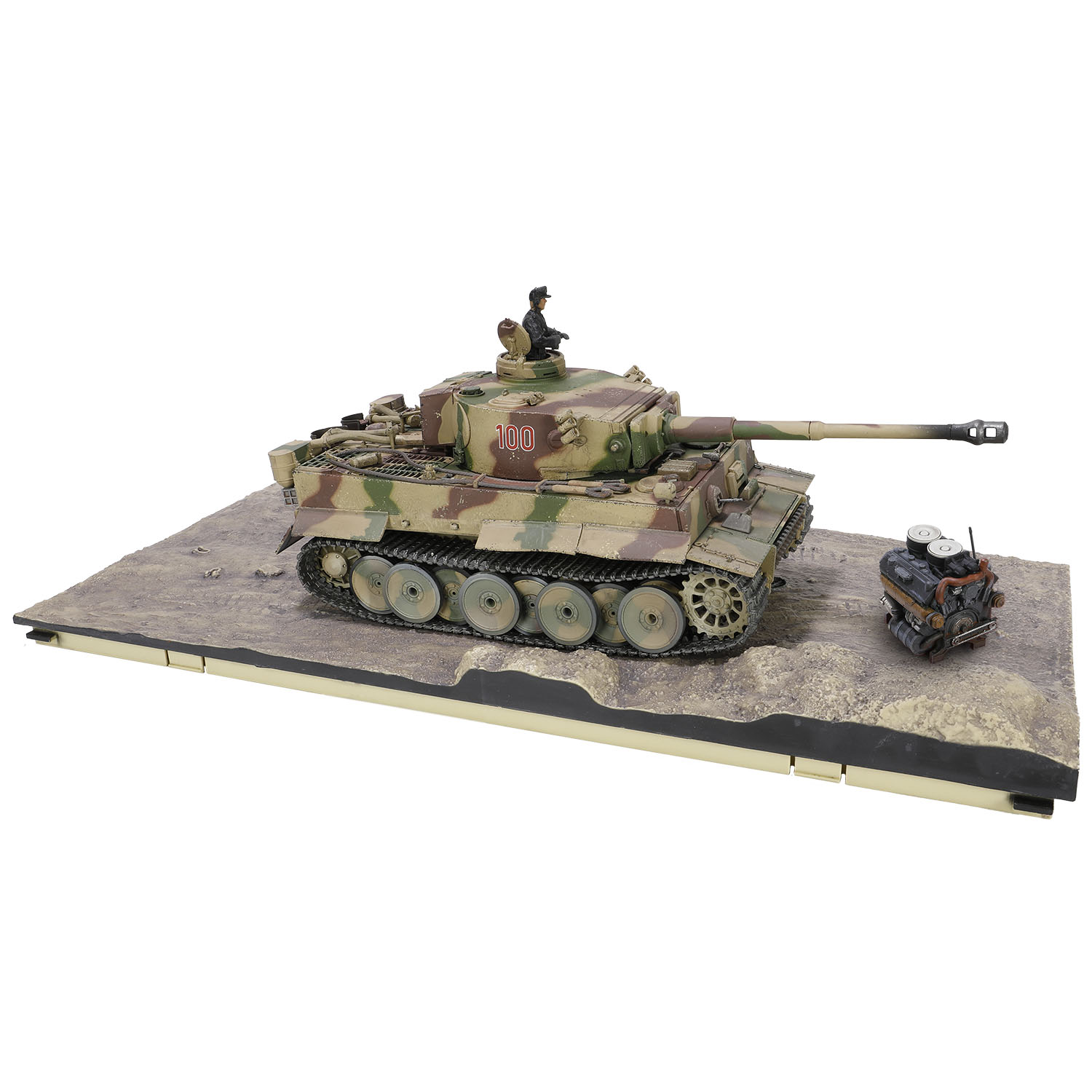
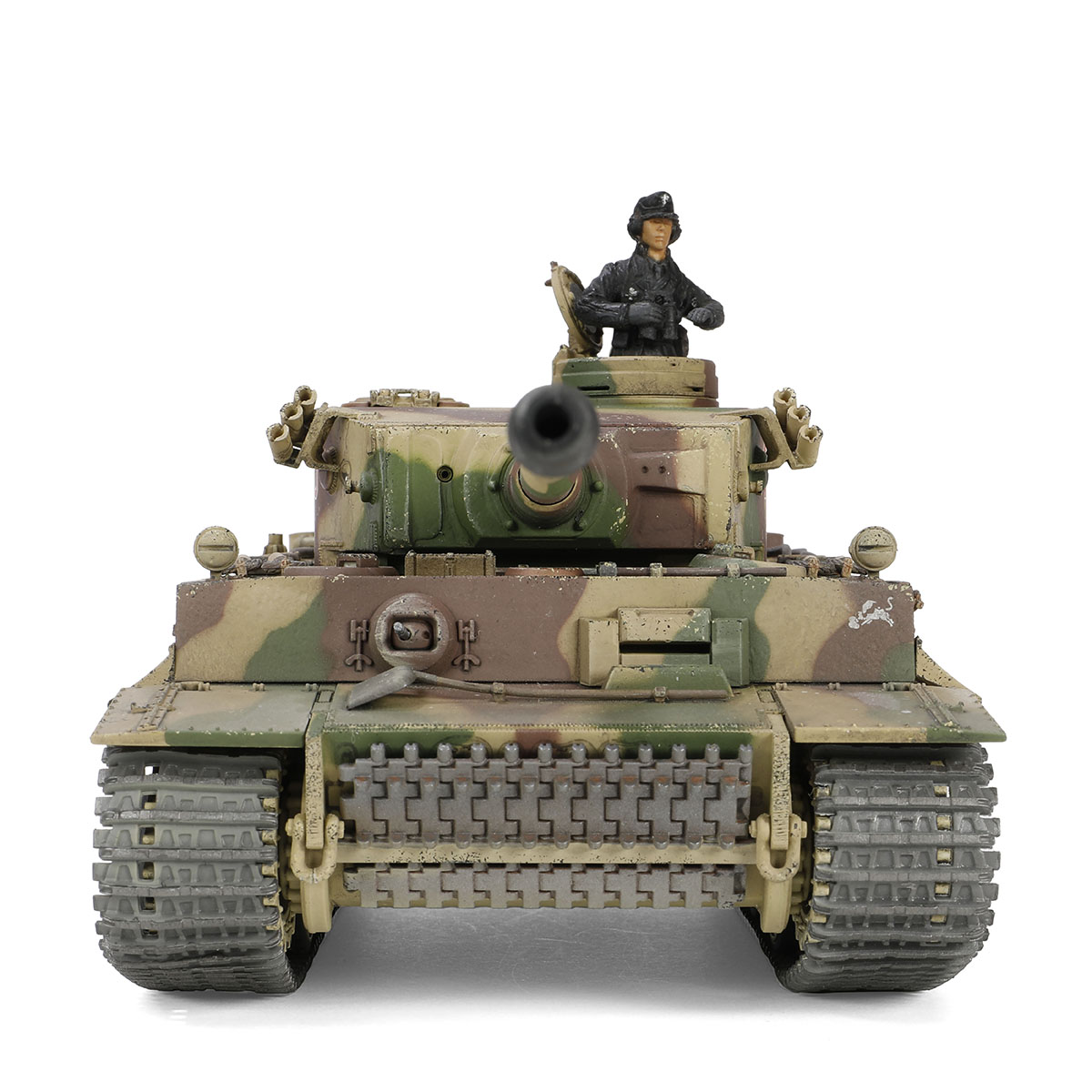
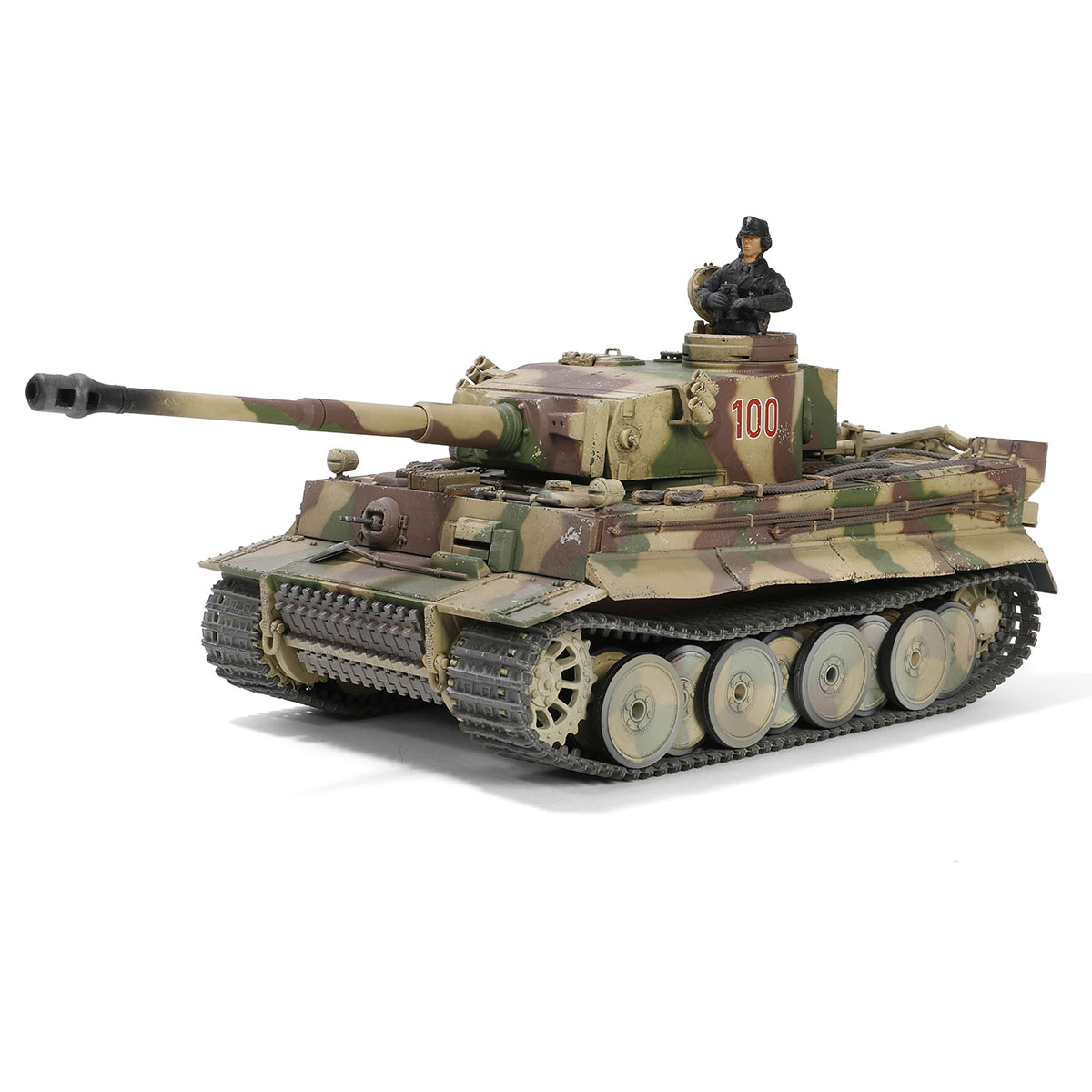
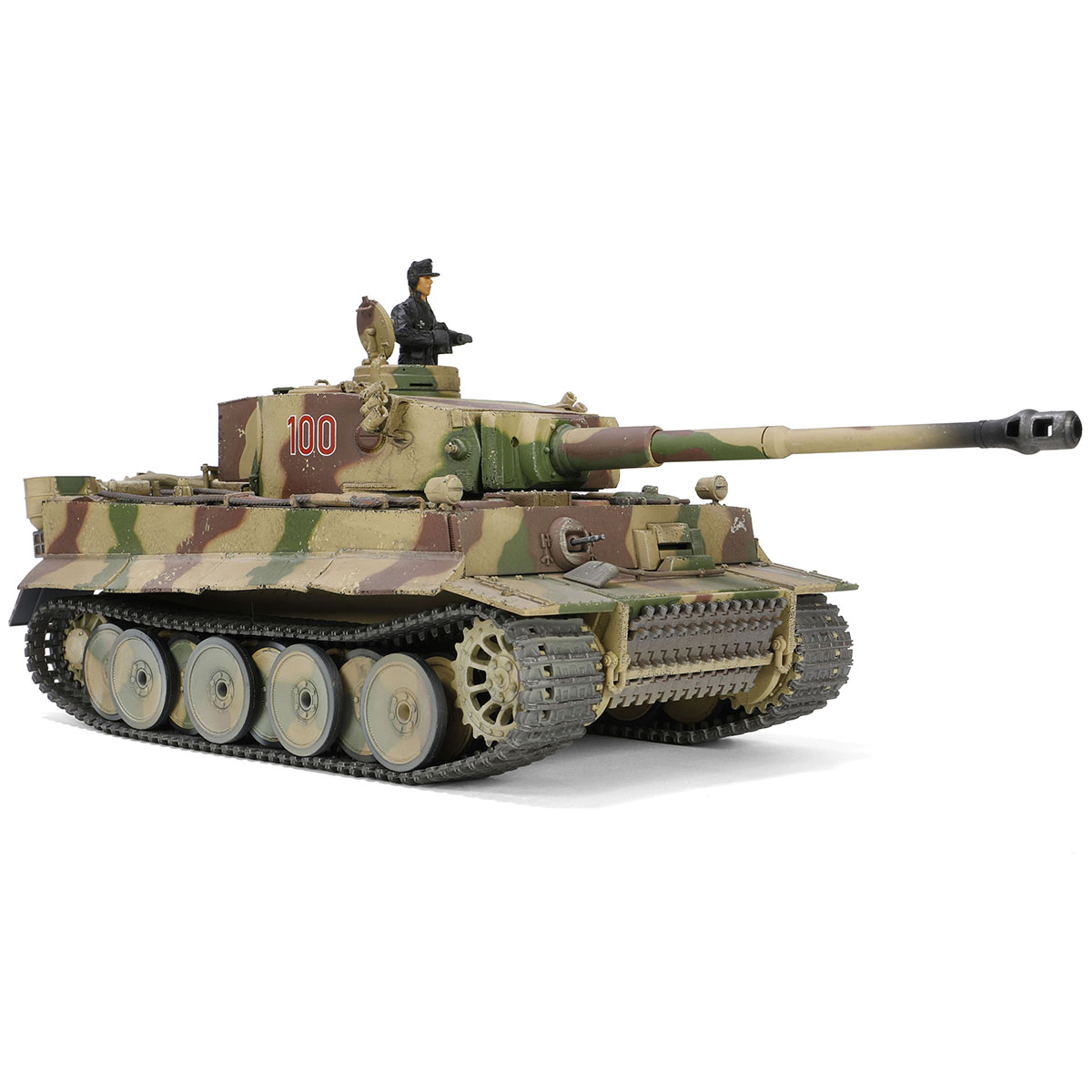
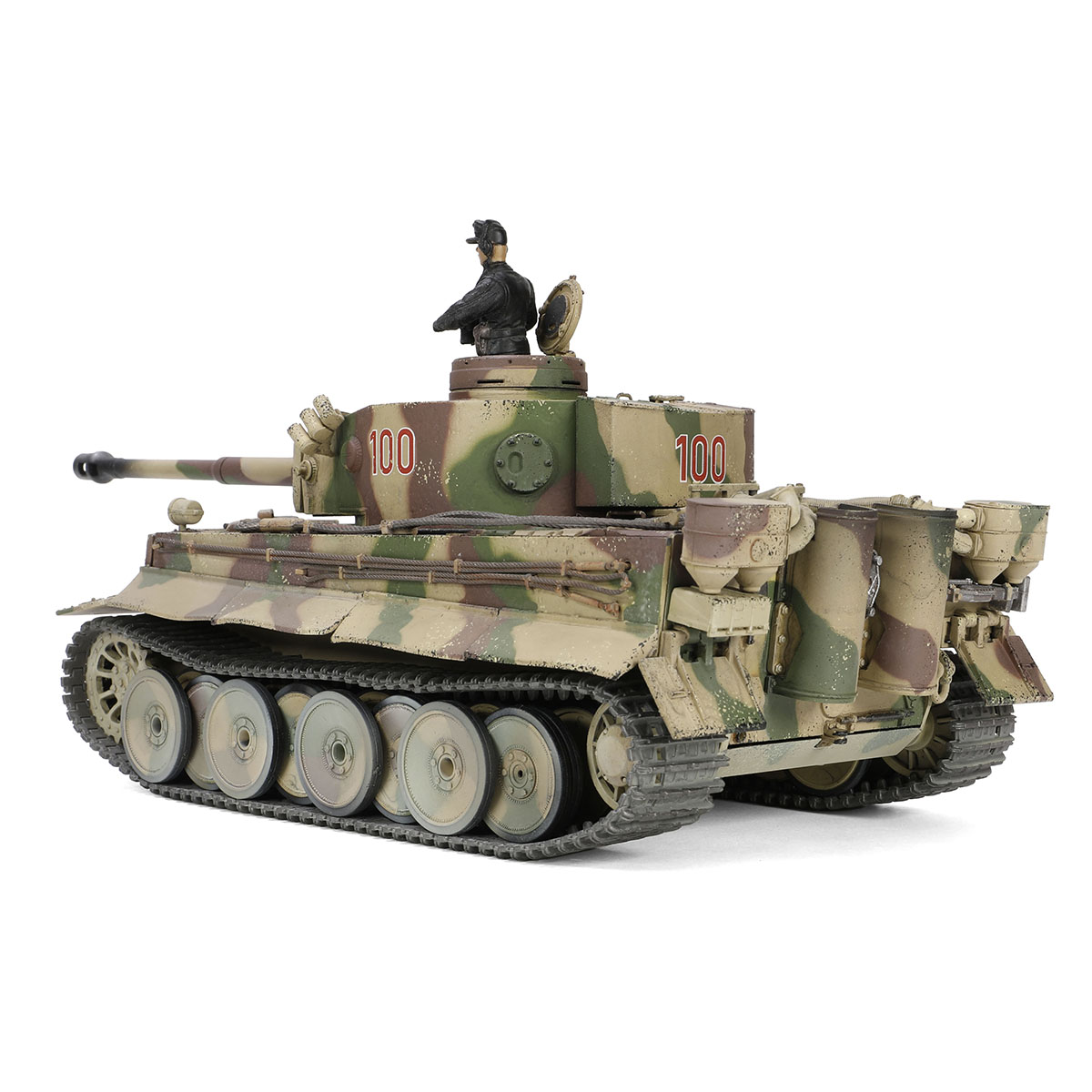
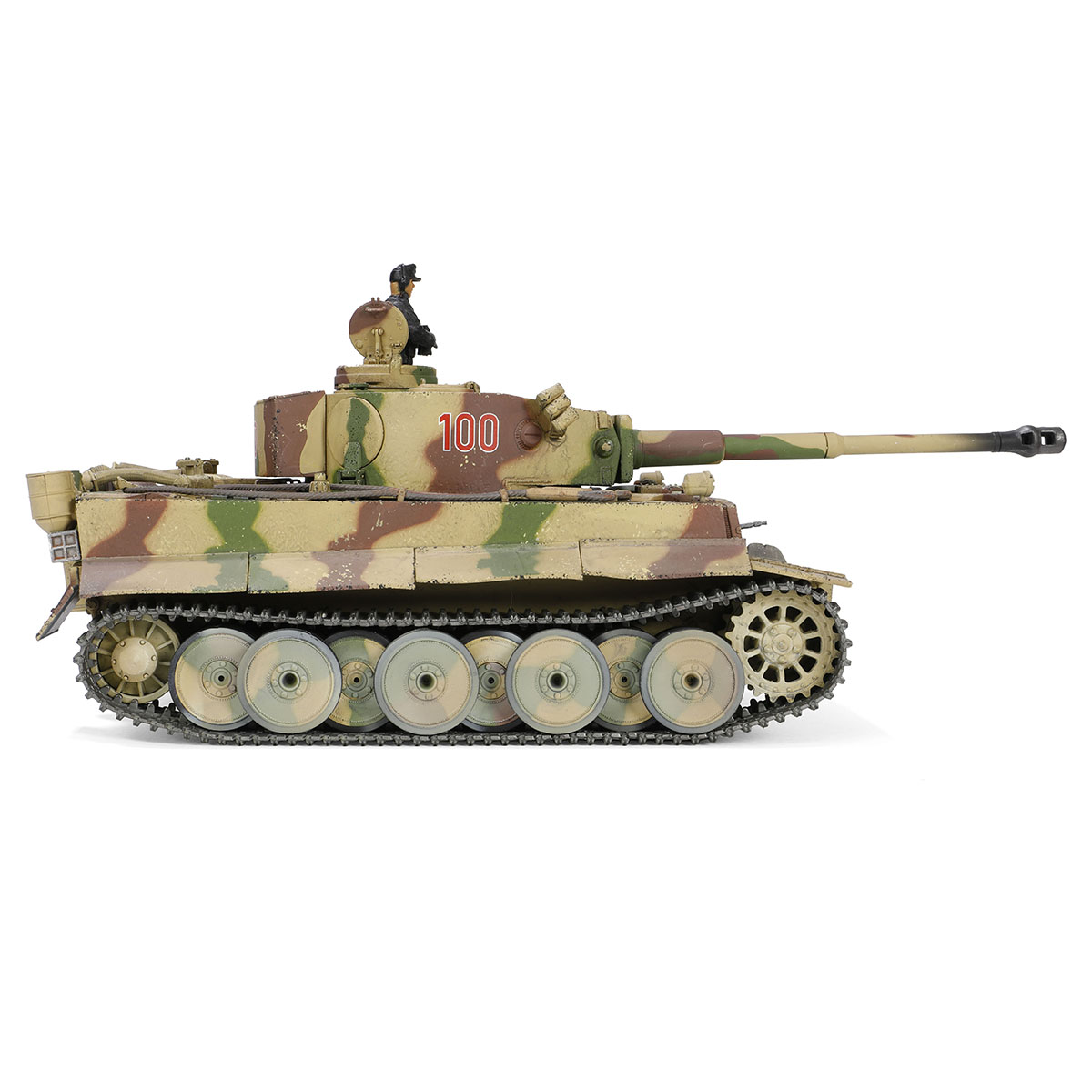
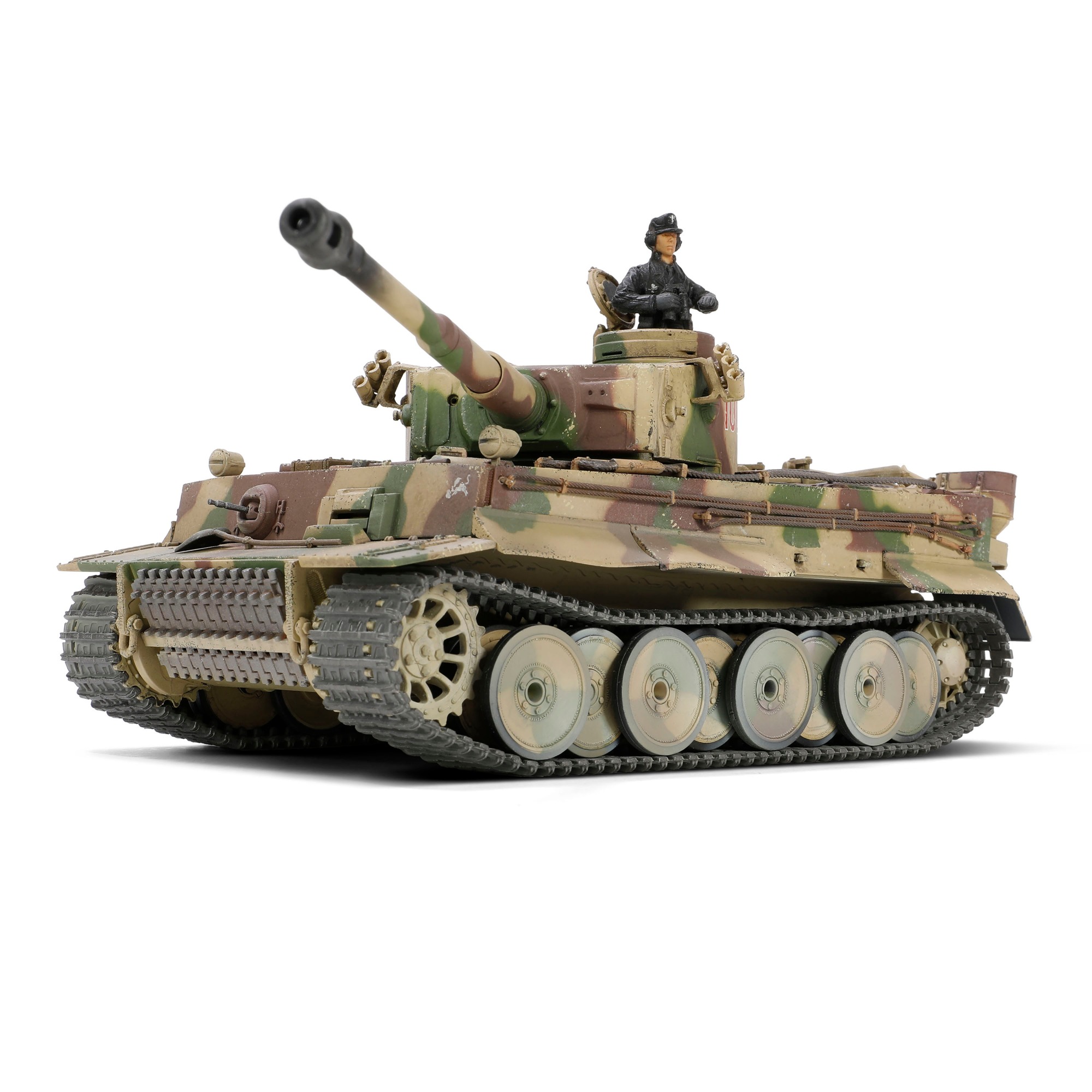
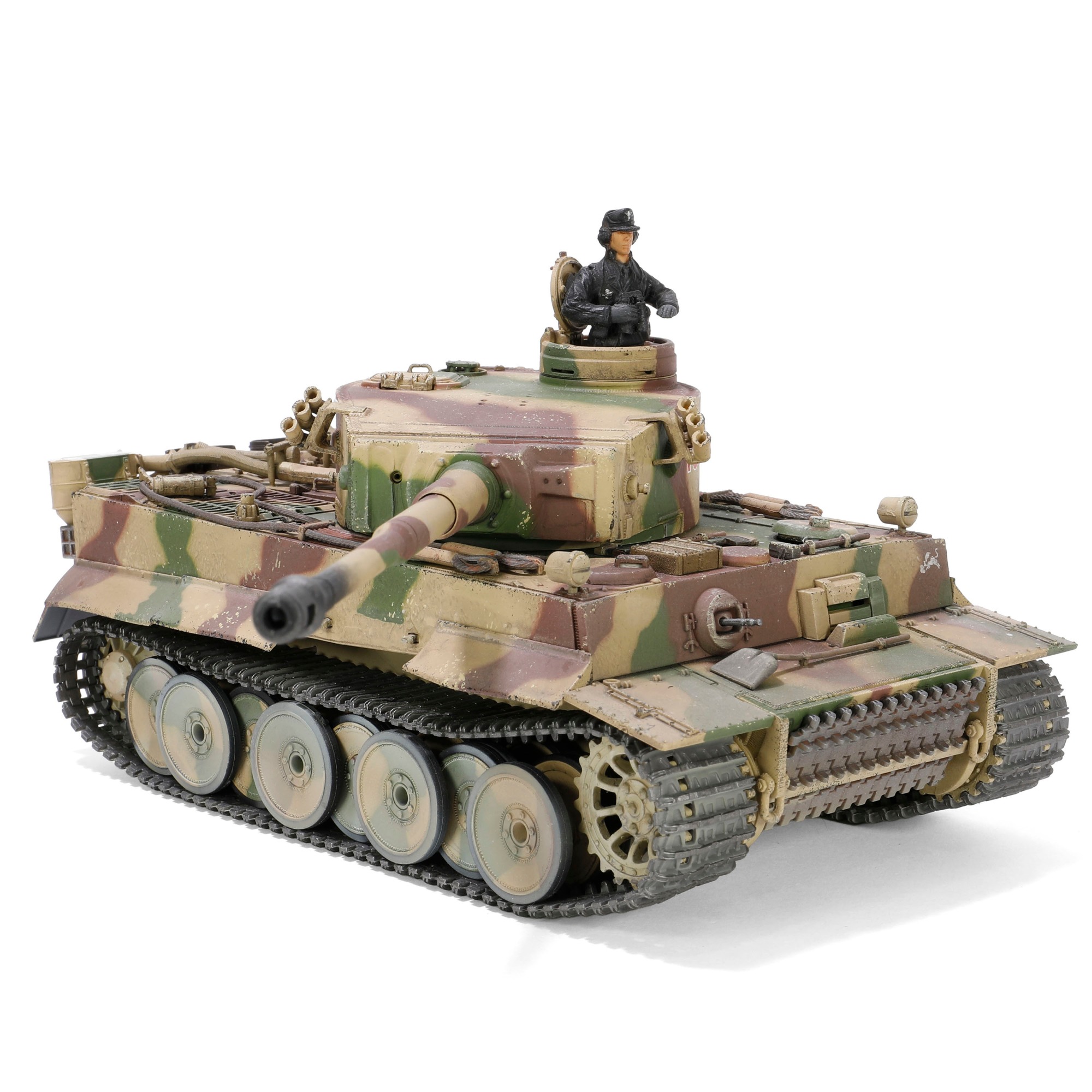
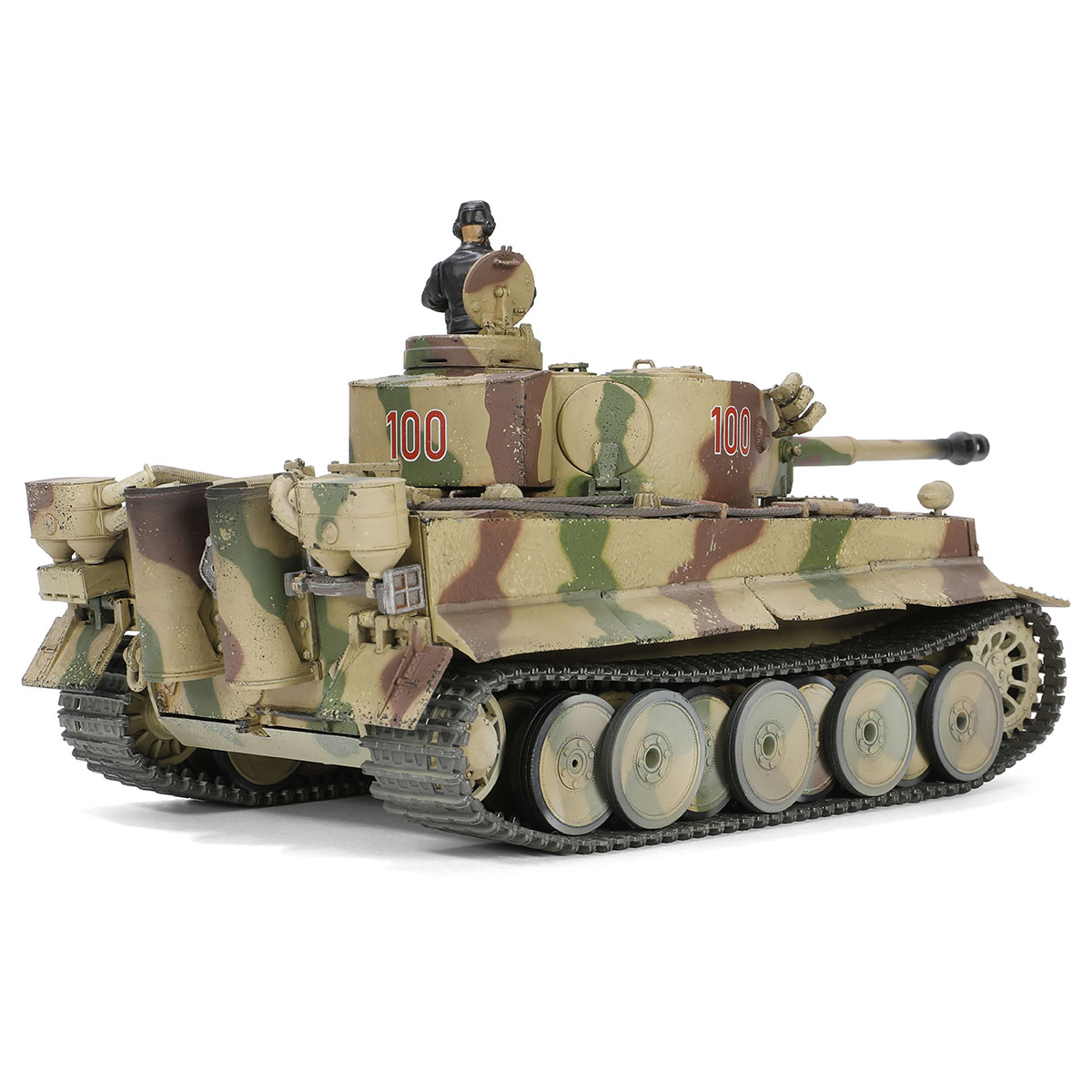
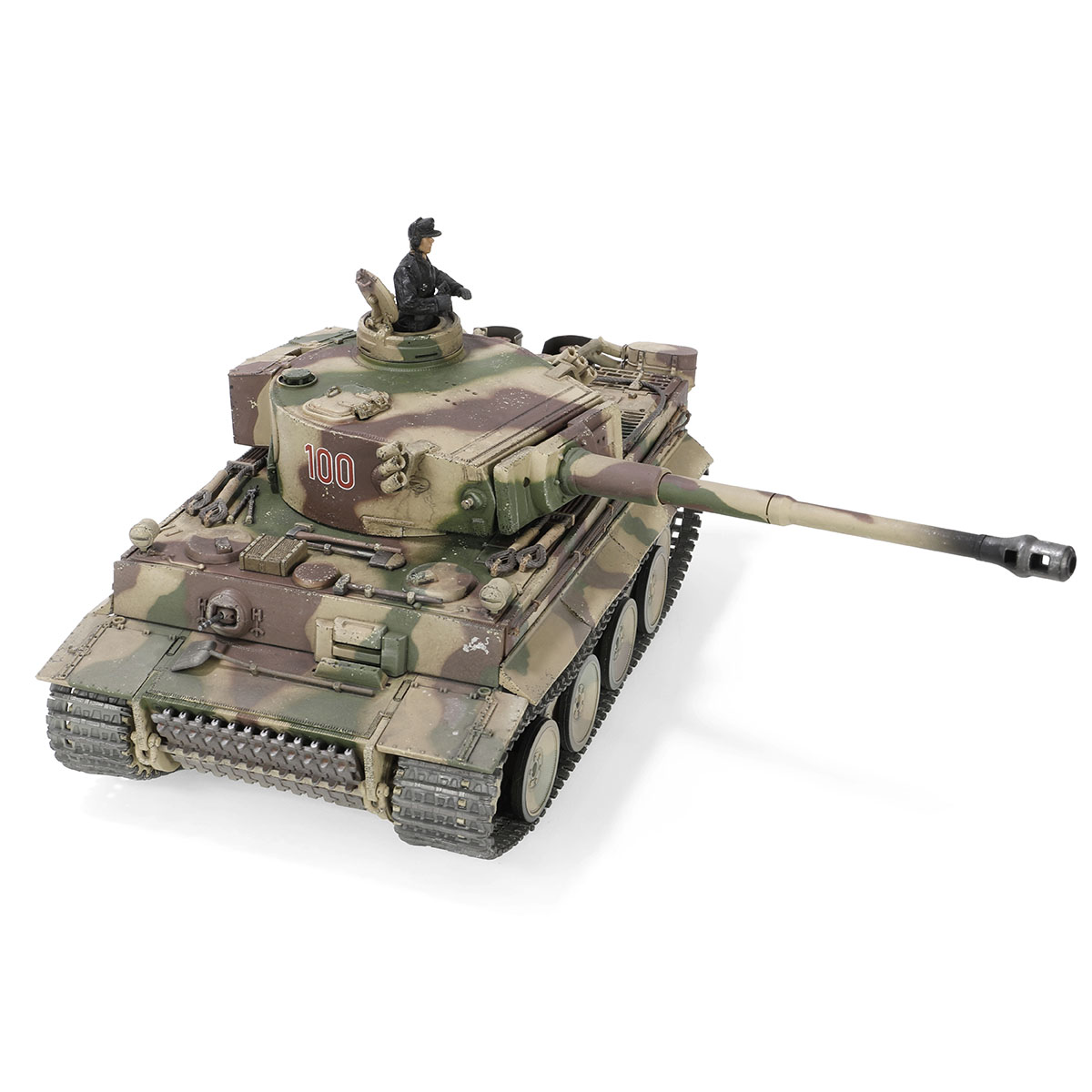
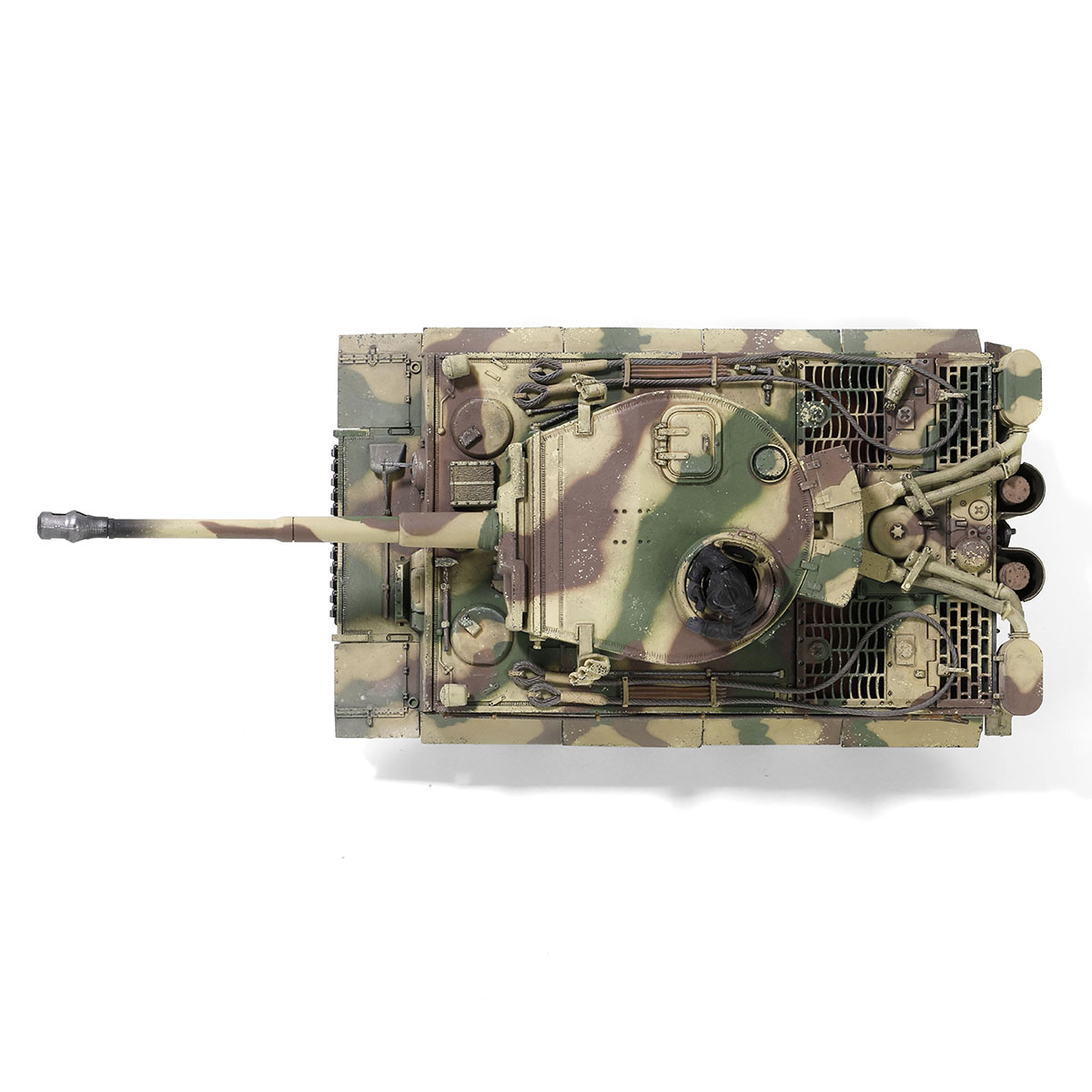
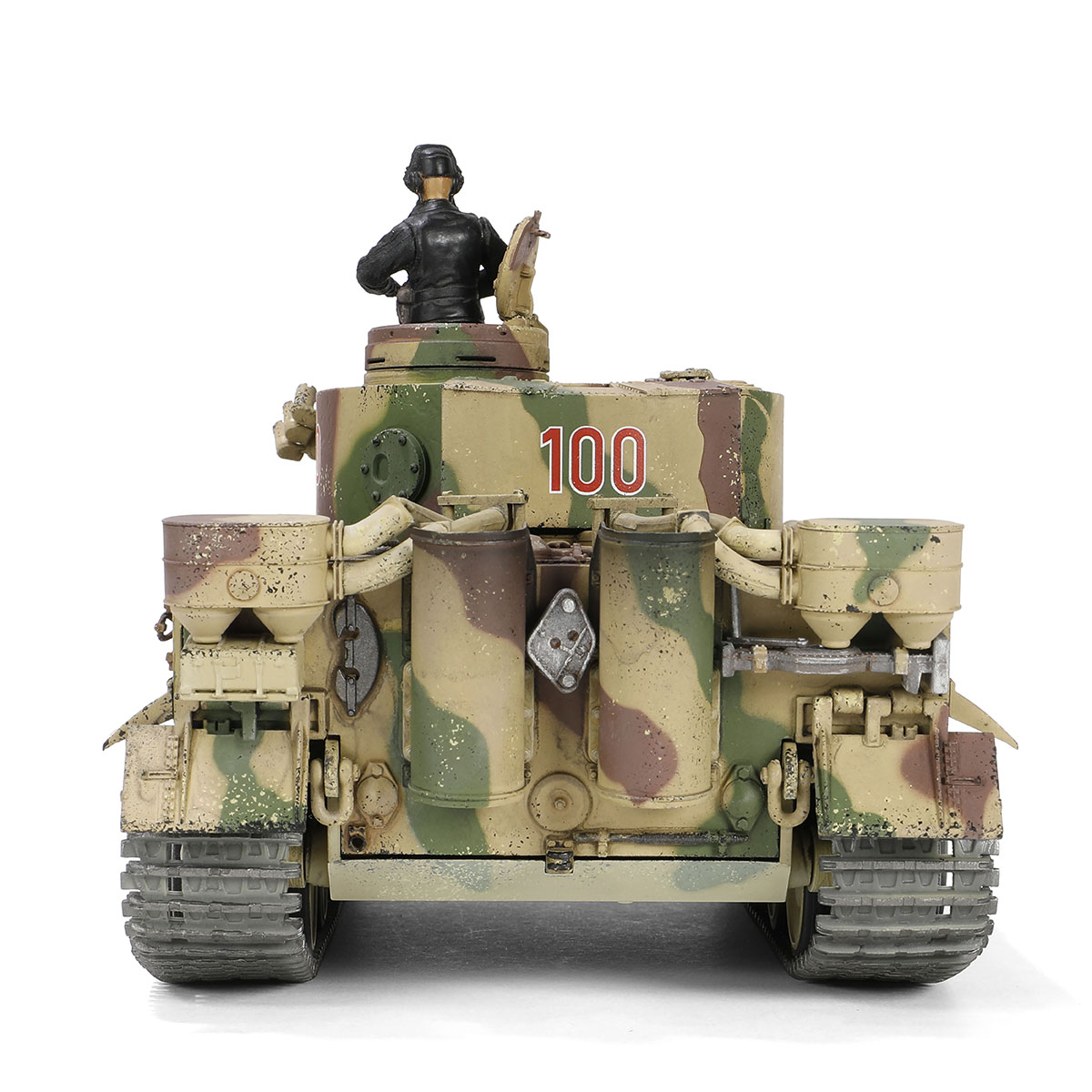
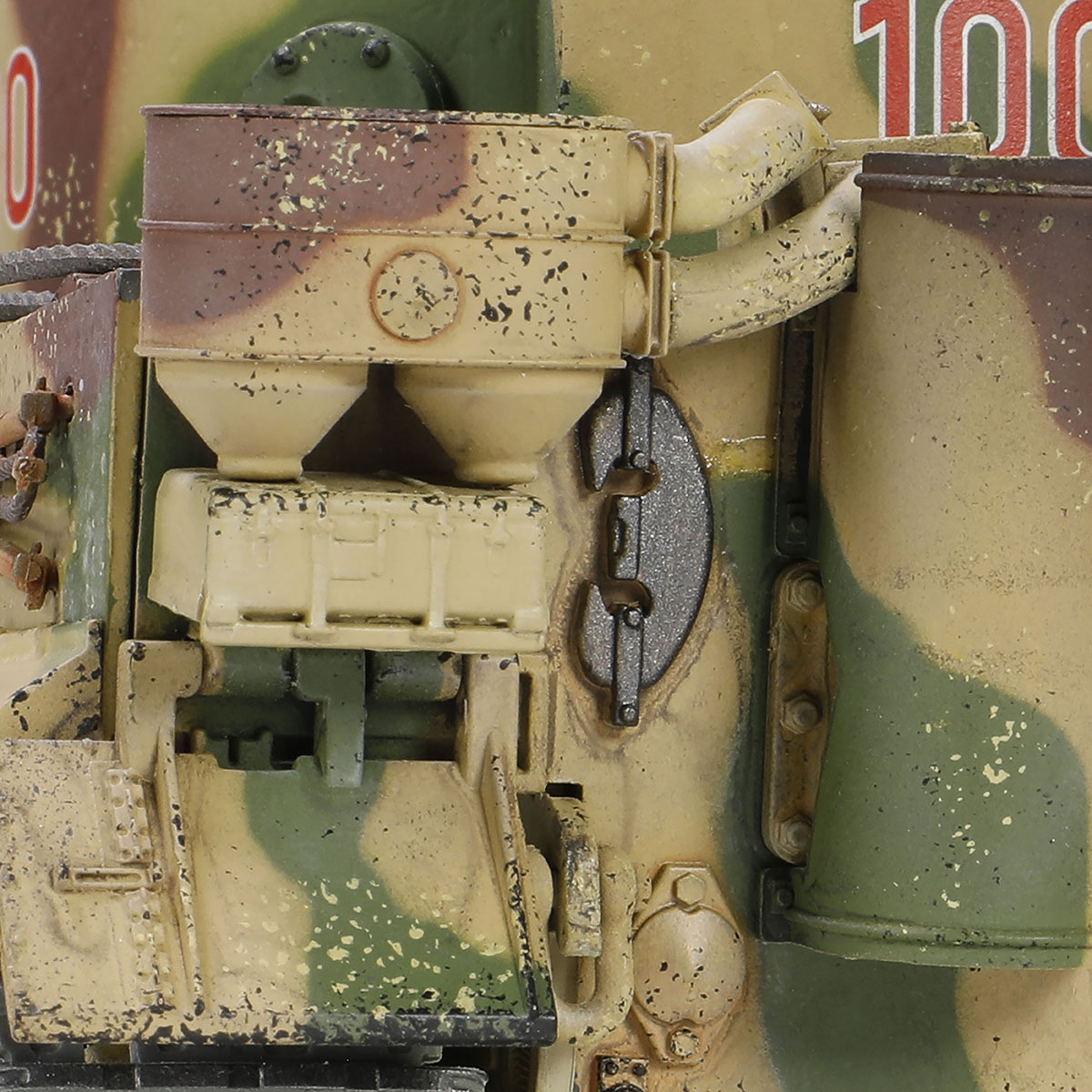
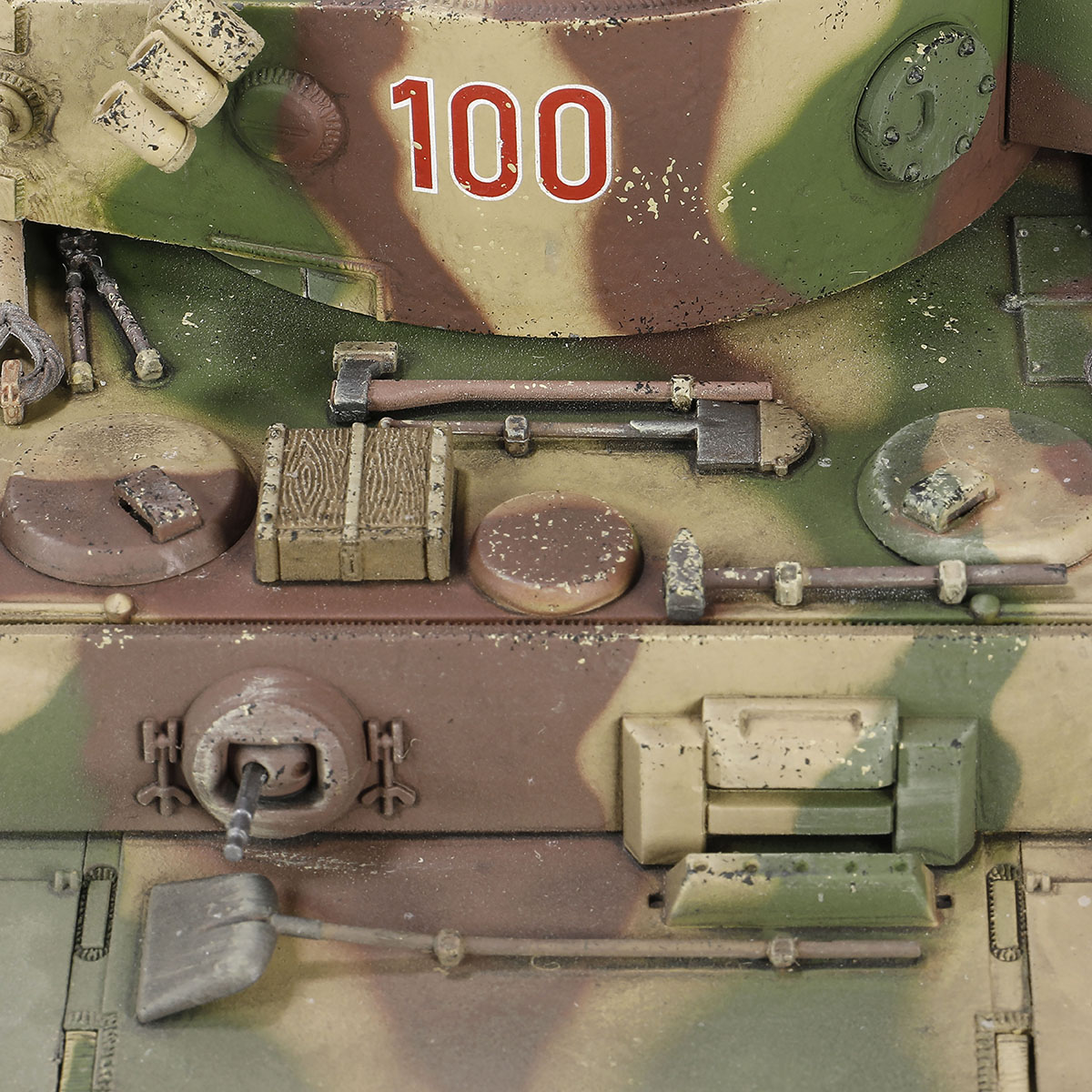
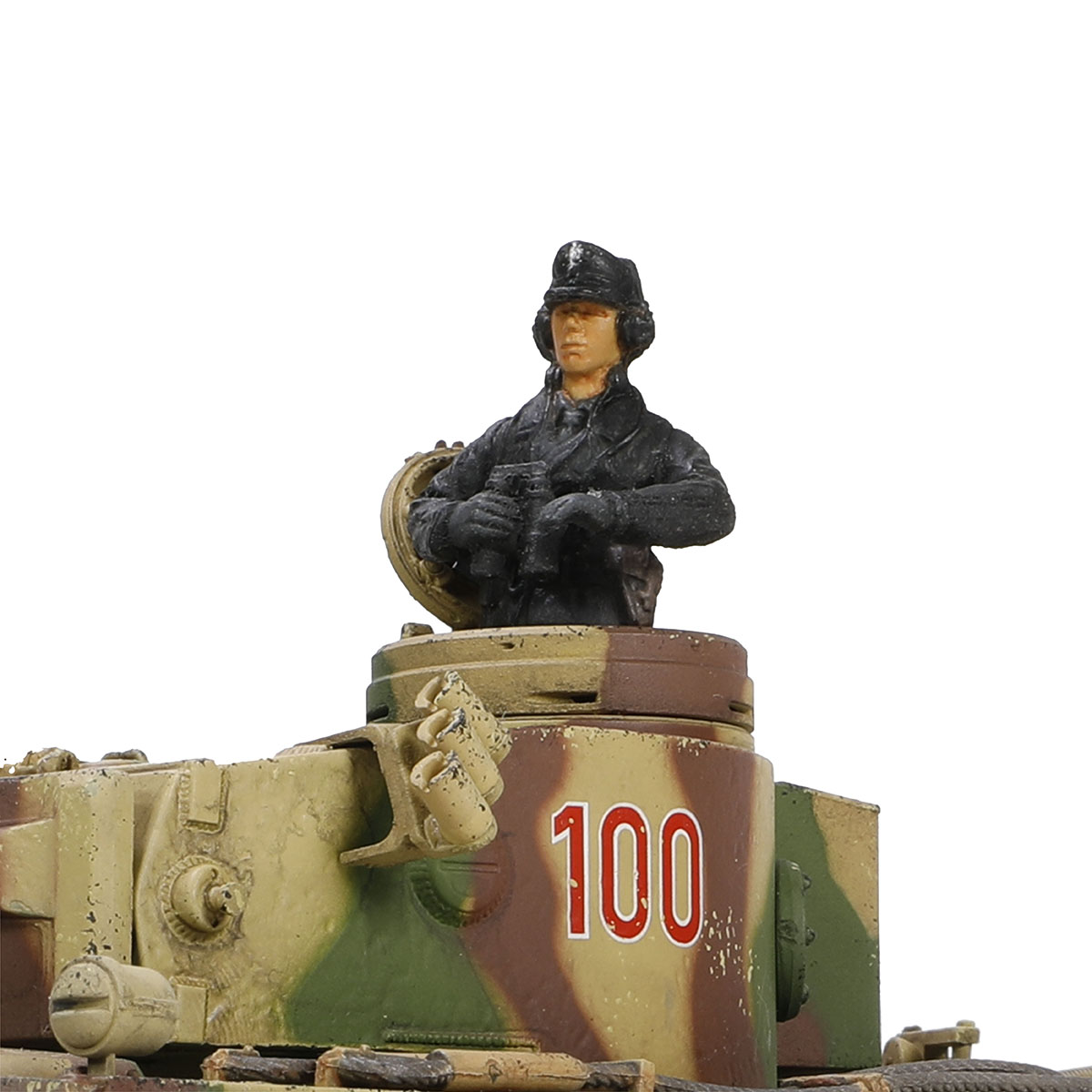
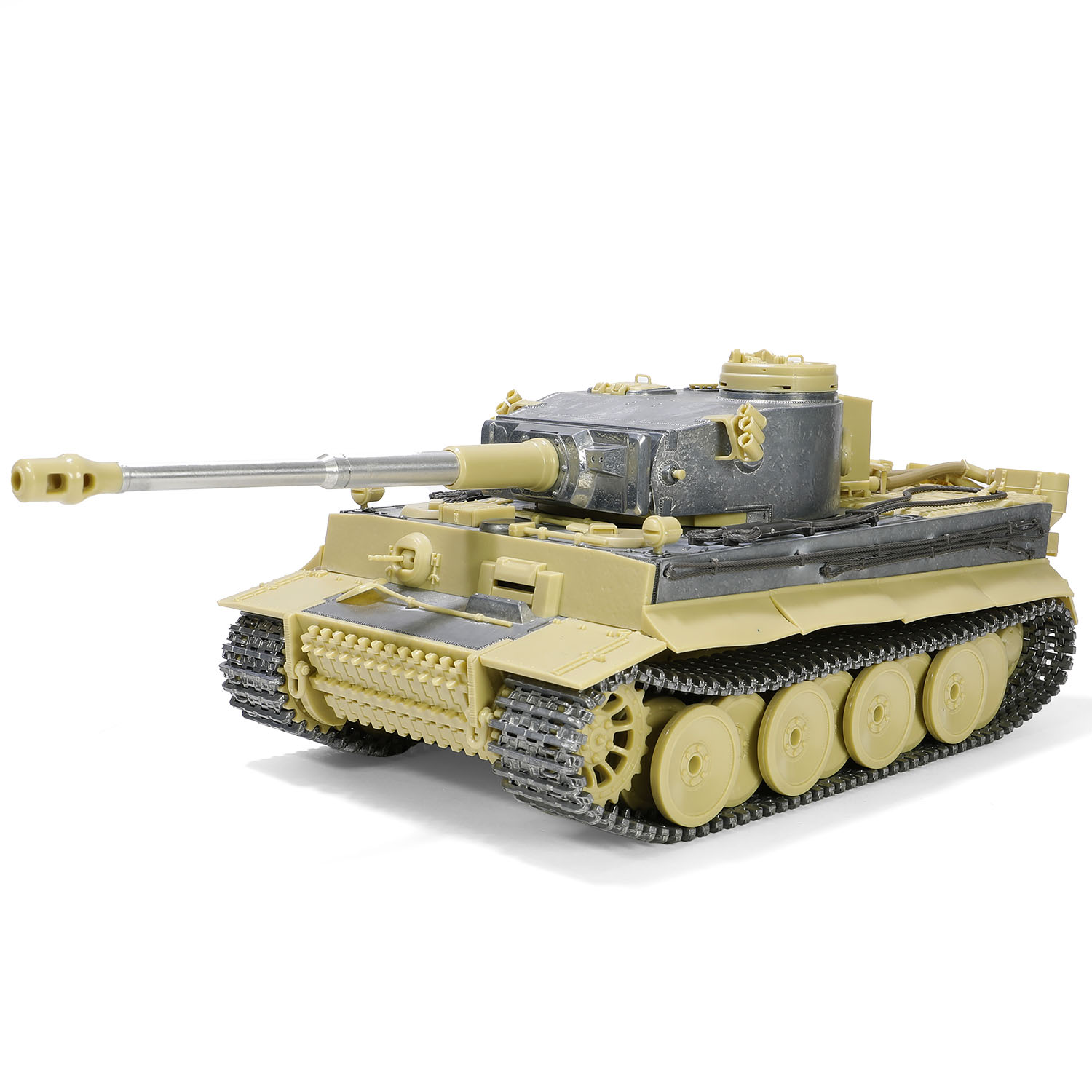
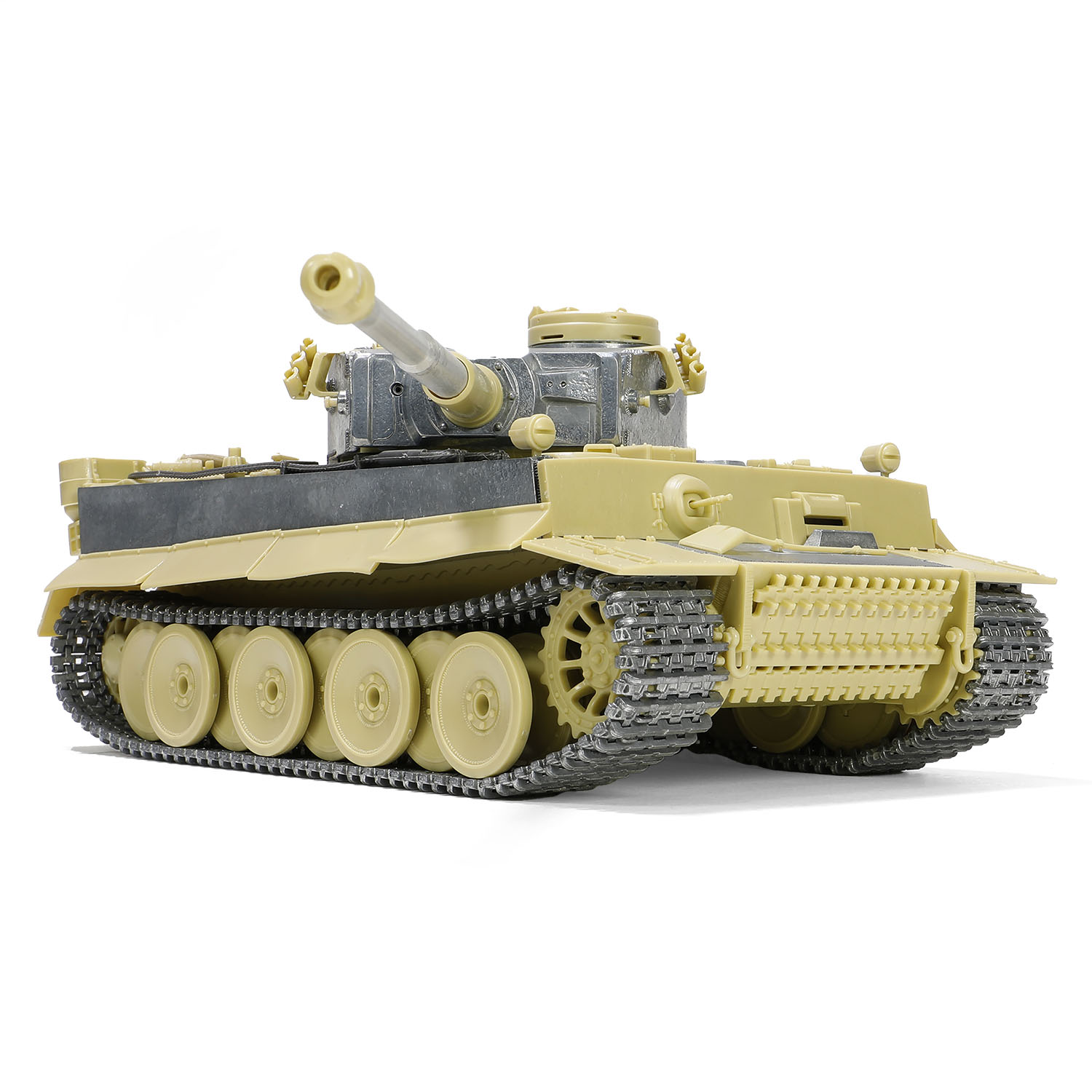
The Tiger I tank became an iconic symbol of Germany's armored forces during World War II, shrouded in secrecy and regarded as a near-mythical weapon by both Allied and Axis troops. By early 1943, this formidable machine was finally introduced for field training, although its production was limited from the start.
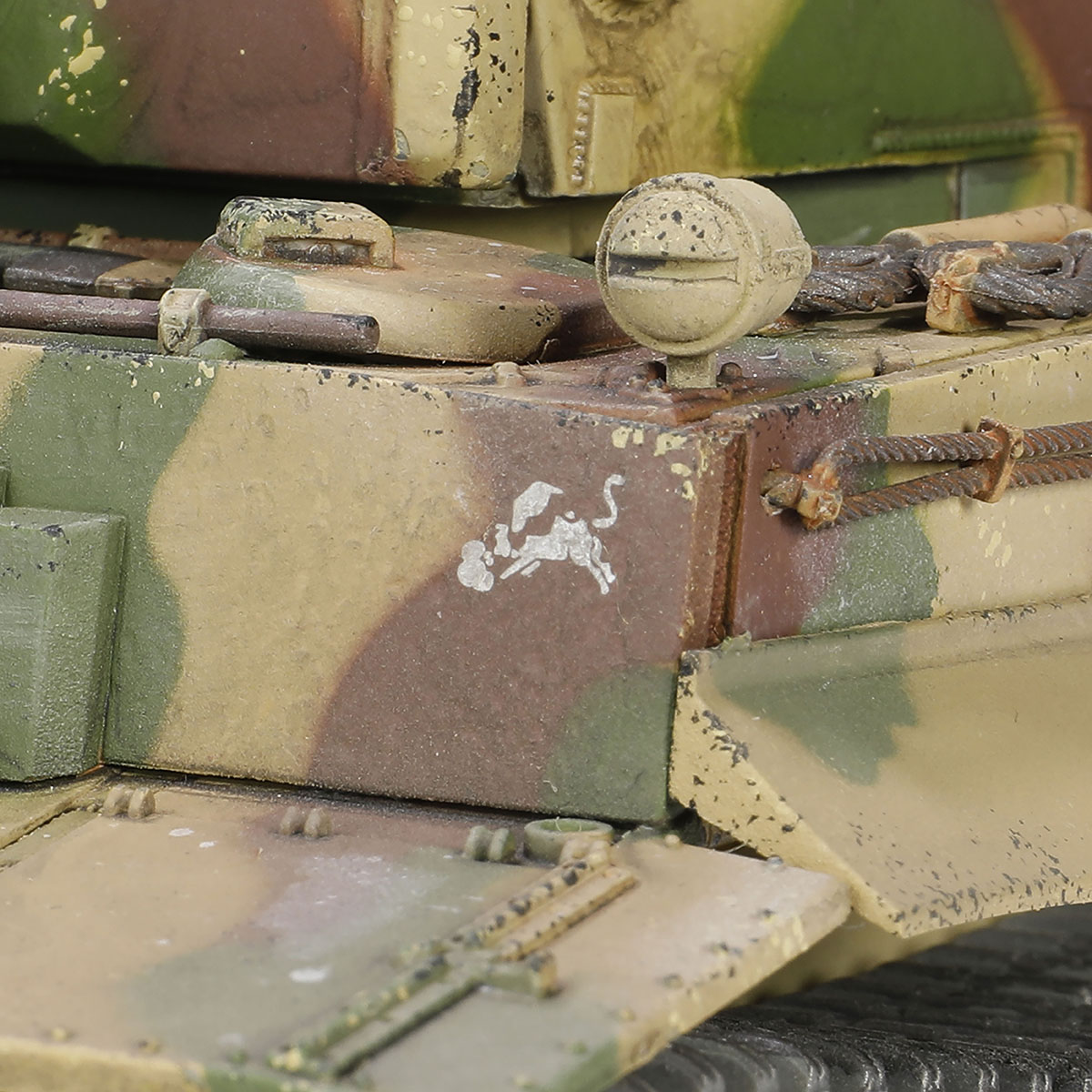
The Tiger was designated solely for use by schwere Panzer-Abteilungen (s.Pz.Abt.), or heavy tank battalions, within the German military framework. Among these units, the 505th Heavy Panzer Battalion, established in February 1943, gained particular fame, recognized by its original insignia of a charging knight, which was later changed to a raging bull after 1944. Initially sent to North Africa, the 505th was subsequently reassigned to the Eastern Front, with its African crews transferred to the 504th Battalion.
The sheer power of the Tiger, weighing 60 tons and equipped with 100 mm of frontal armor and an 88 mm main gun derived from the FlaK 36 anti-aircraft cannon, left many tank crews in awe, especially when compared to contemporary Allied tanks. During the critical Battle of Kursk in July 1943, the 1st and 2nd Companies of the 505th faced fierce Soviet resistance, relying on the Tiger's superior armor and firepower to survive against relentless anti-tank guns and waves of T-34s, with veterans acknowledging that had they been in lighter Panzer IIIs or IVs, their chances of survival would have been drastically reduced.