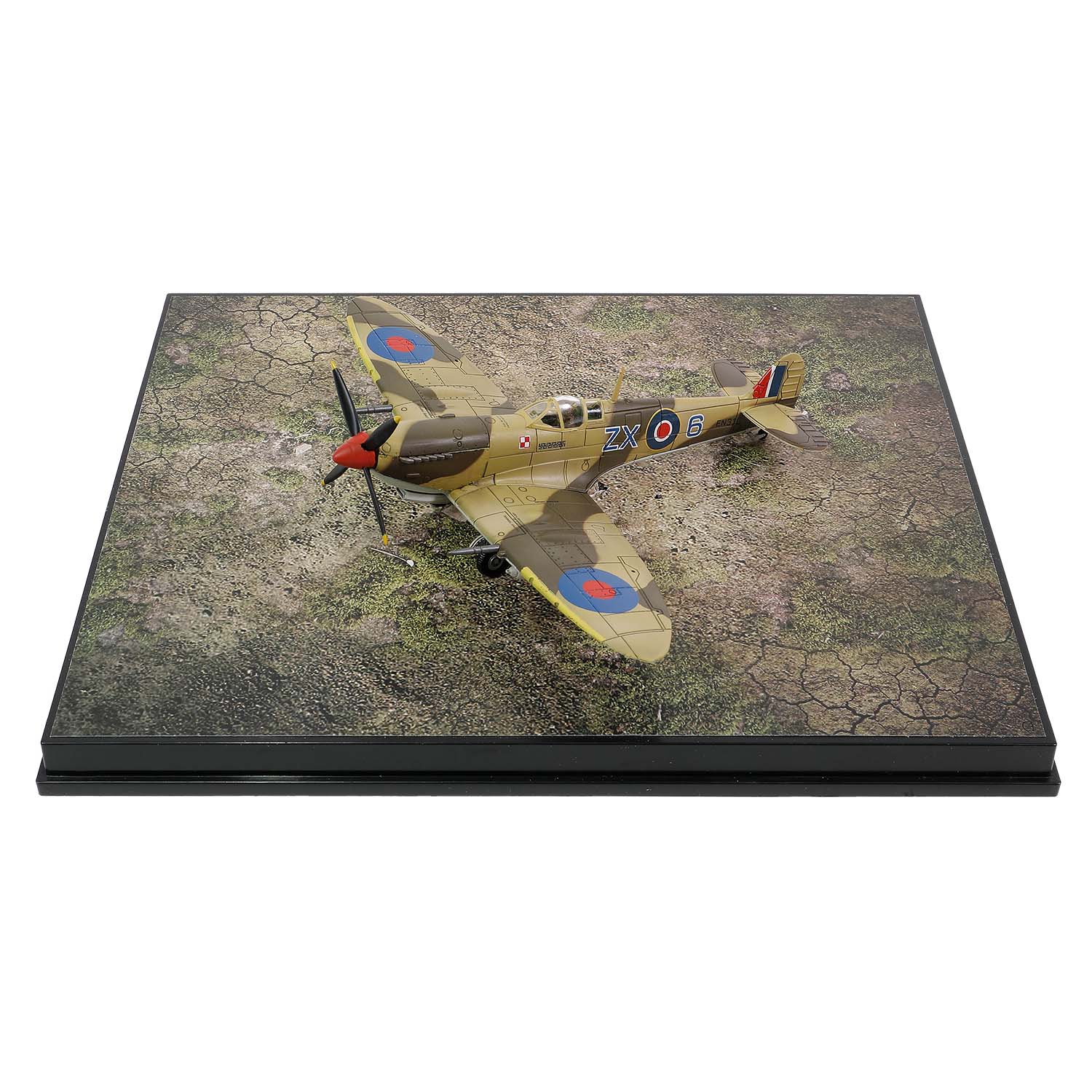
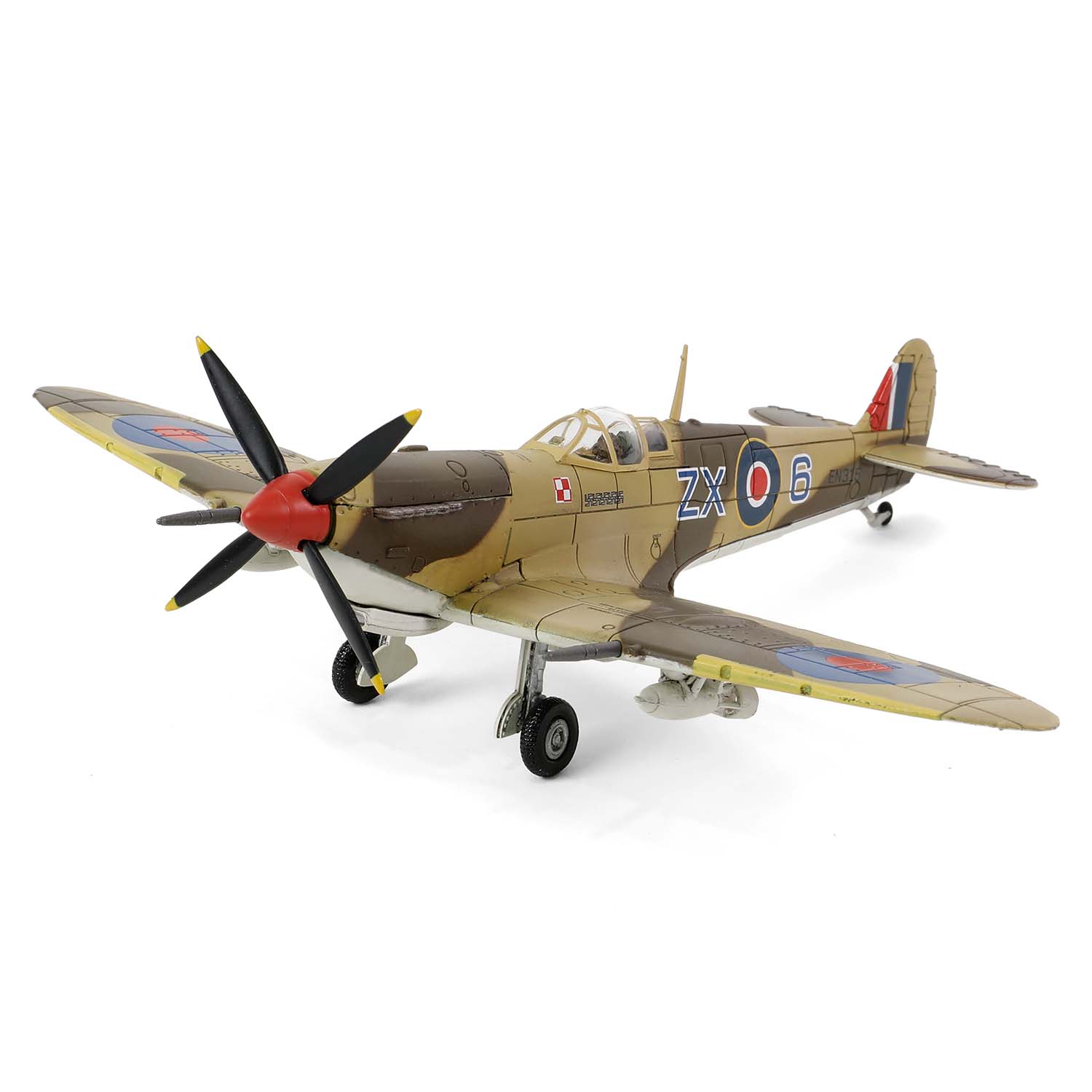
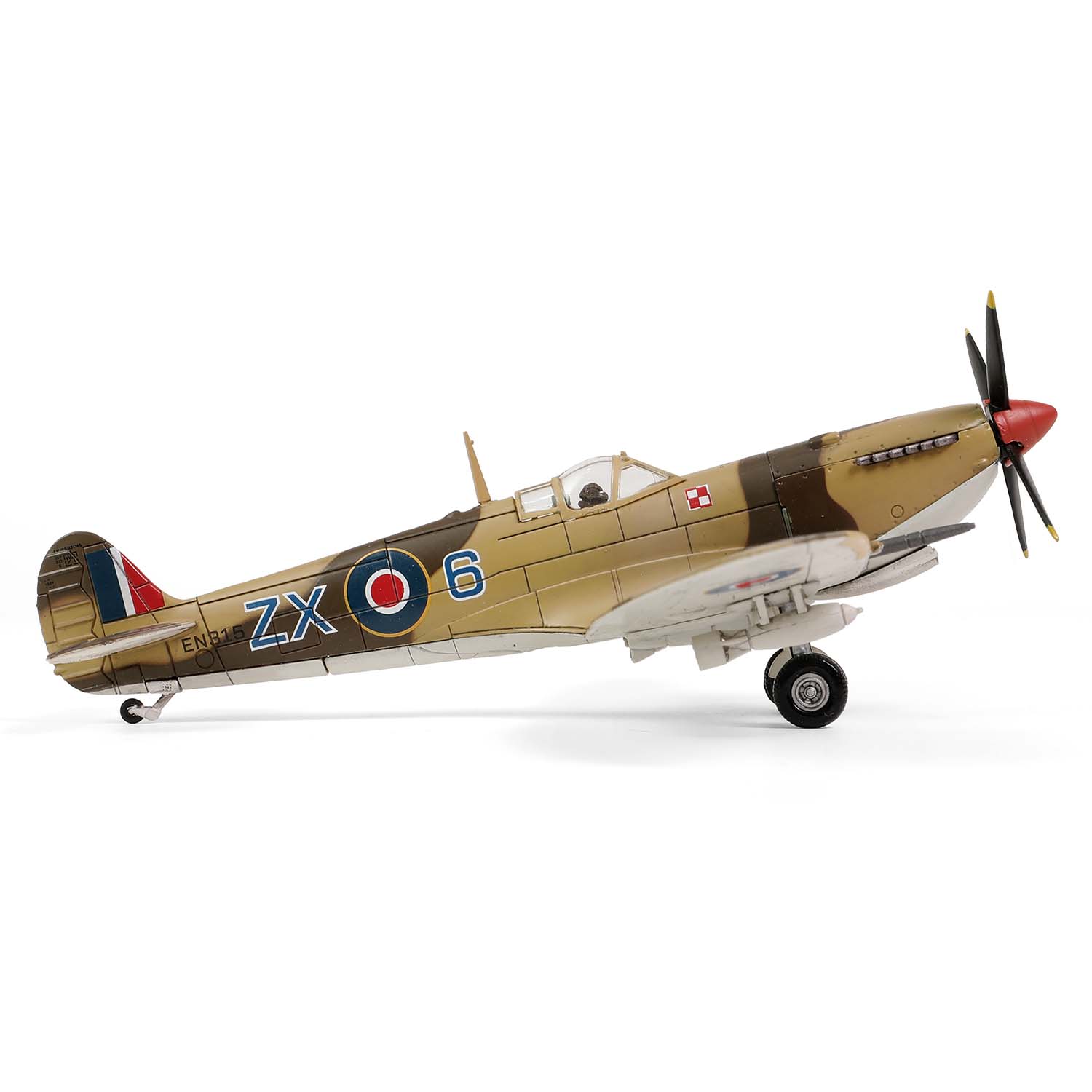
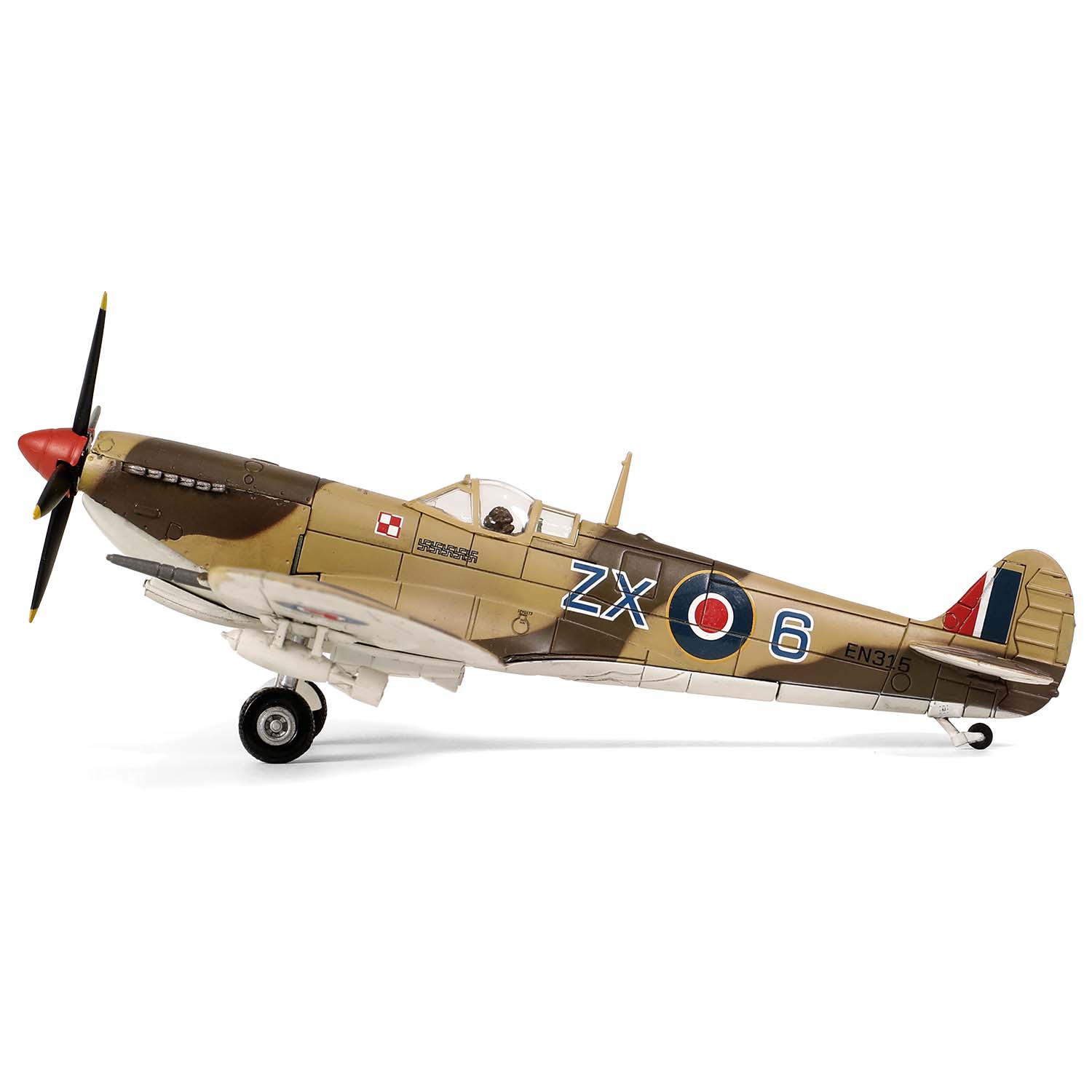
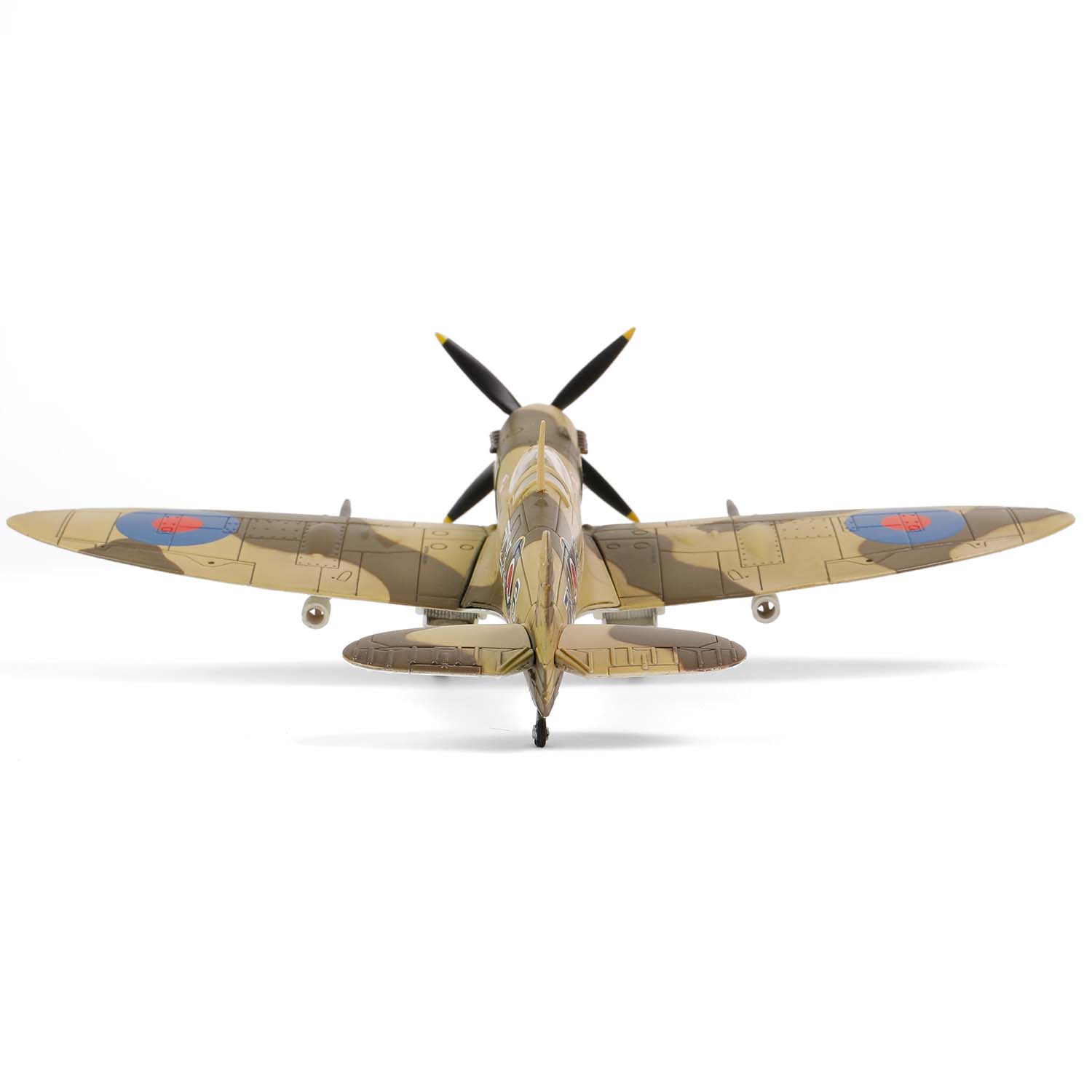
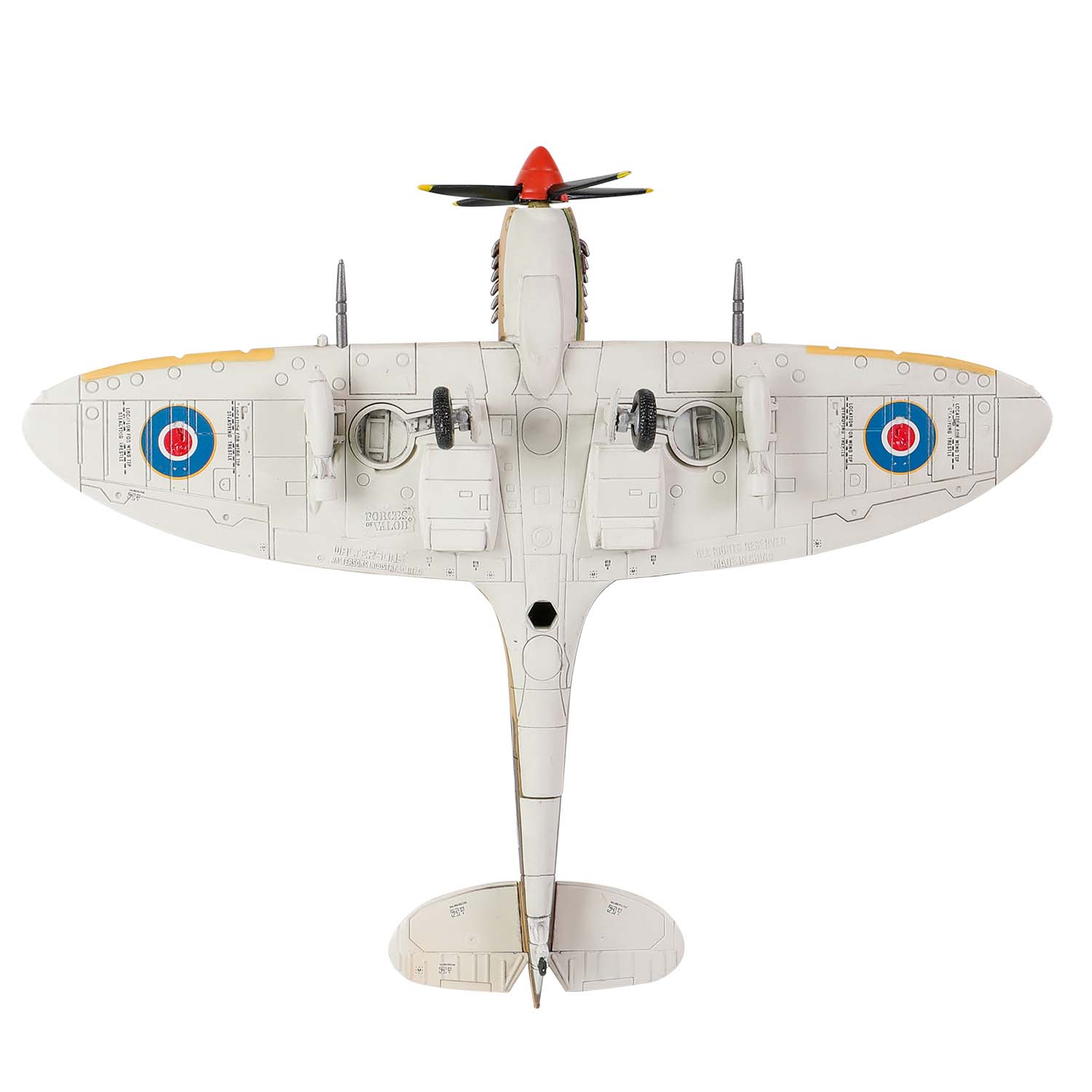
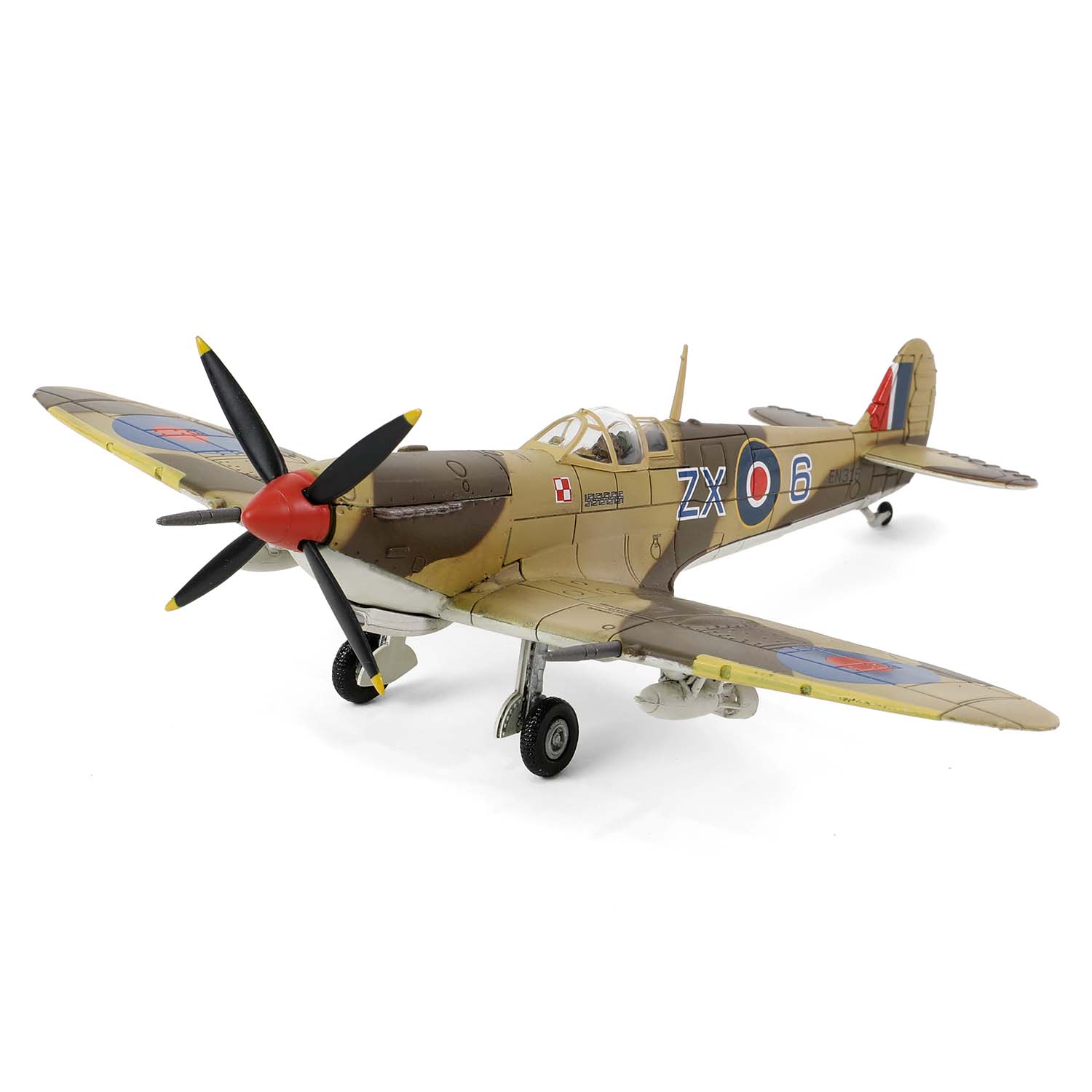
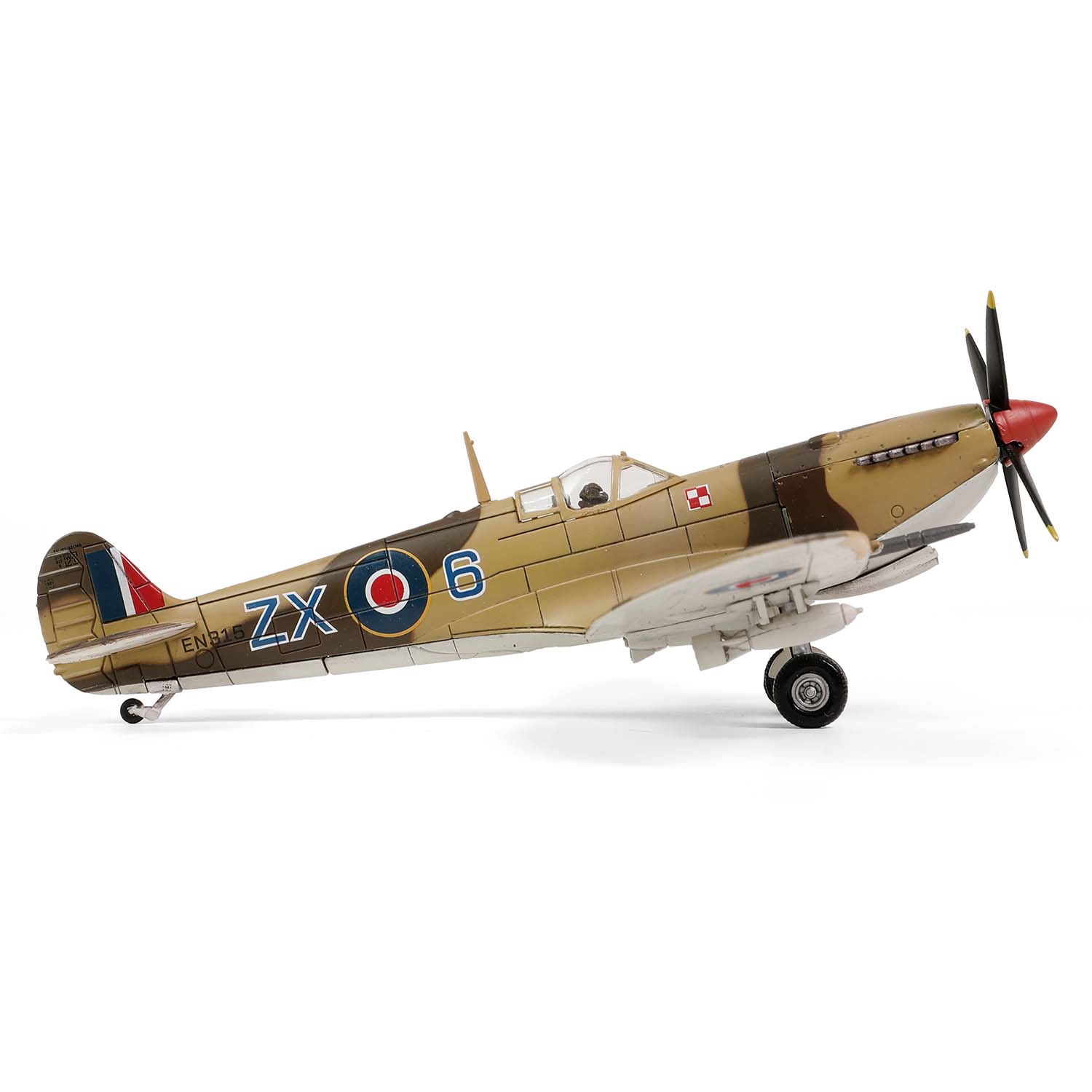
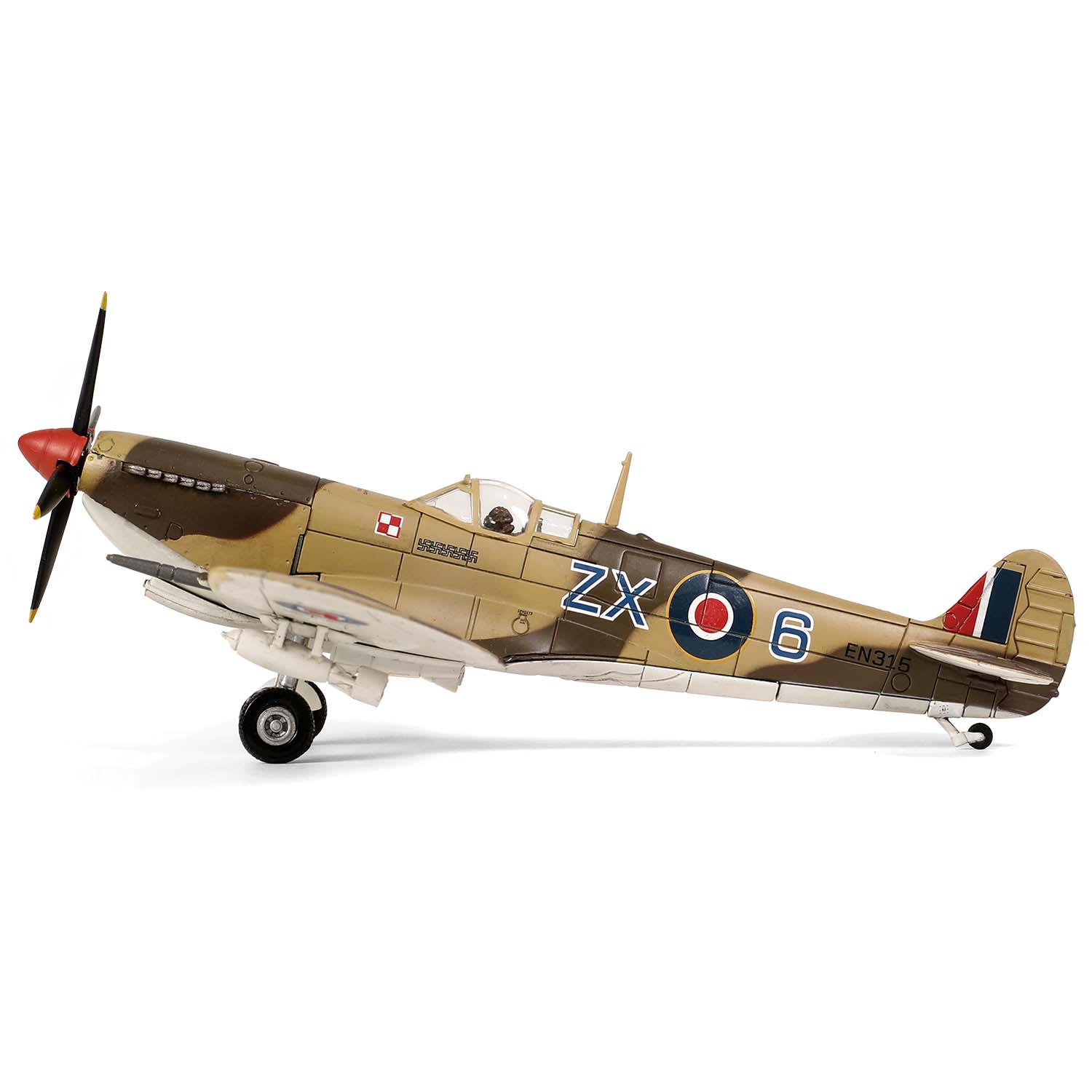
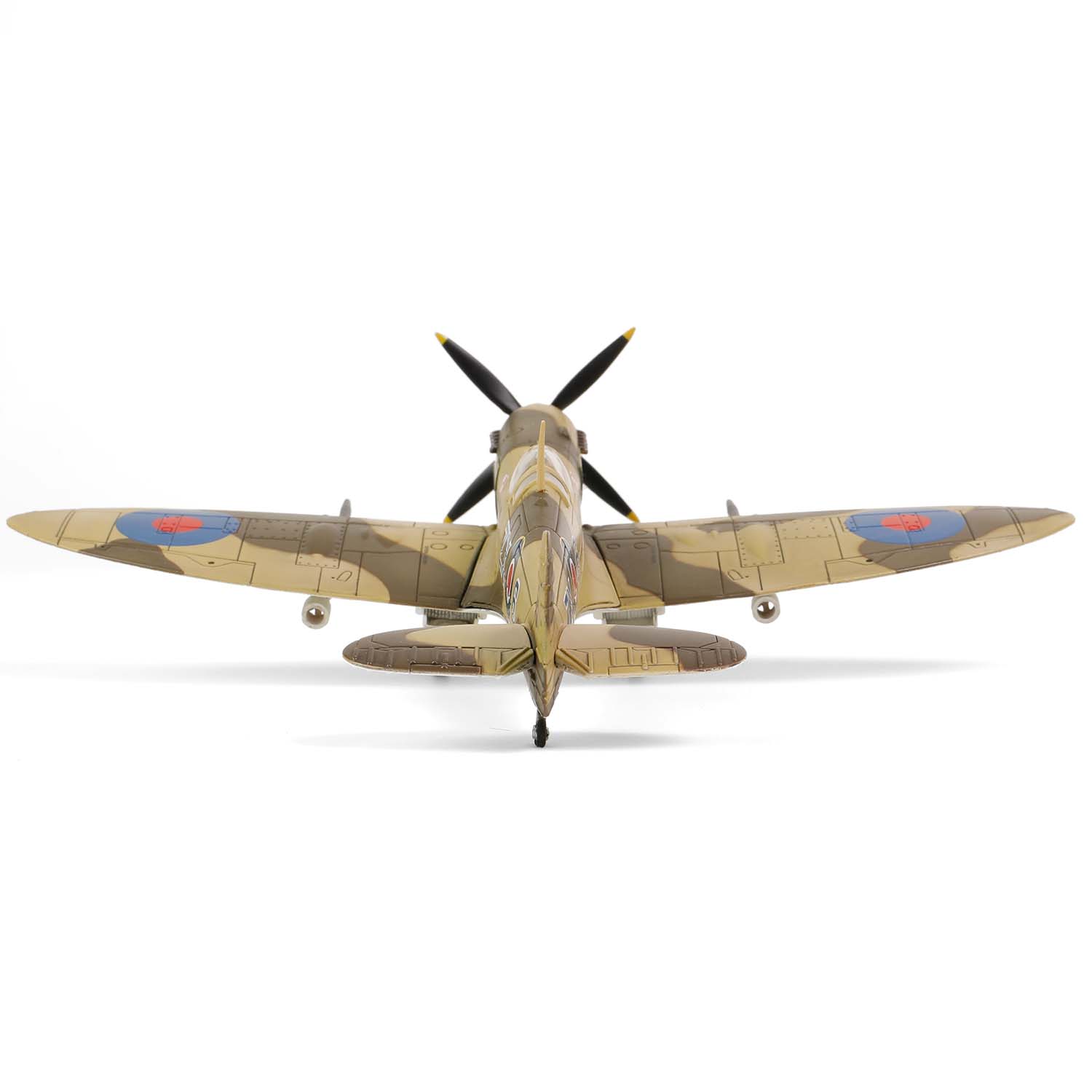
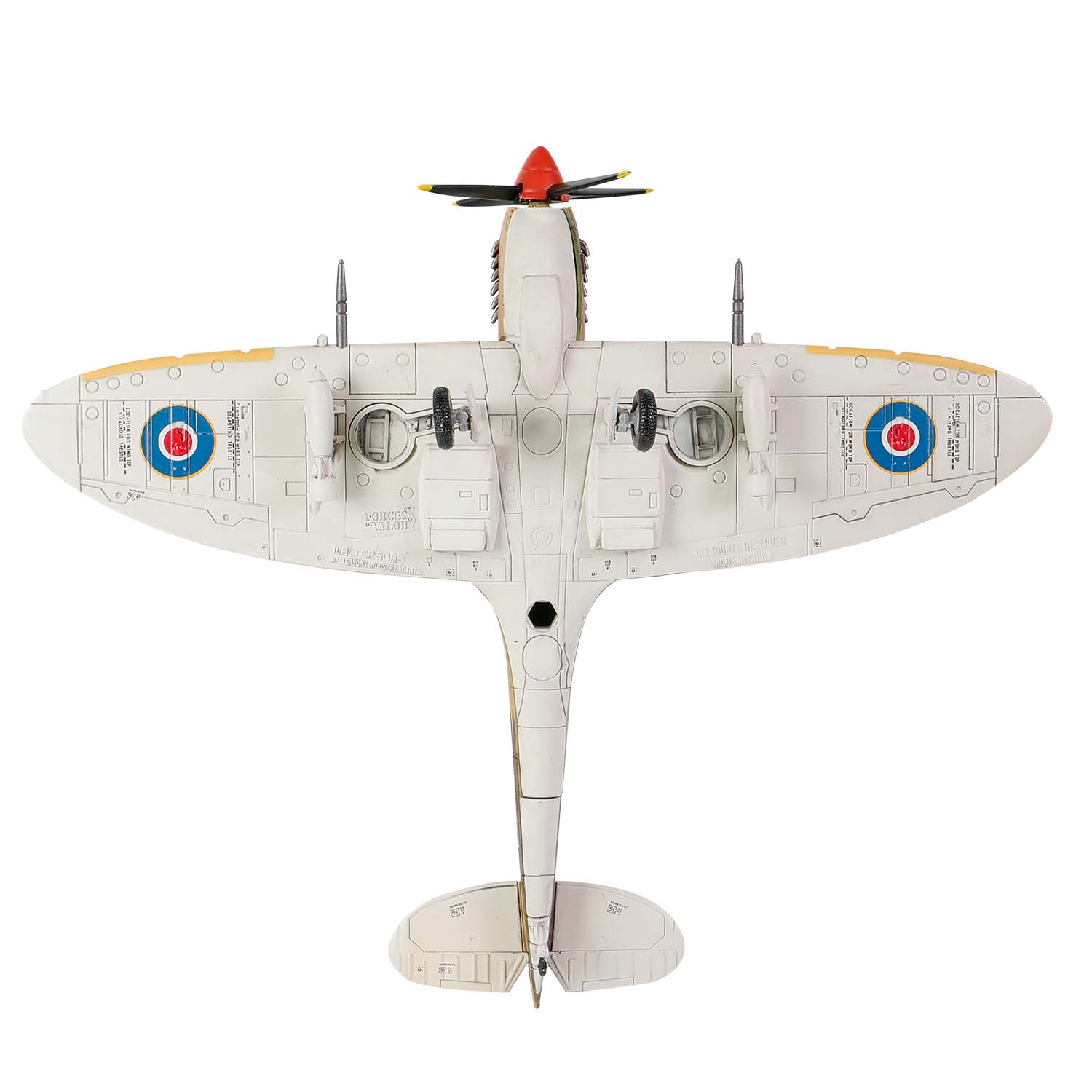
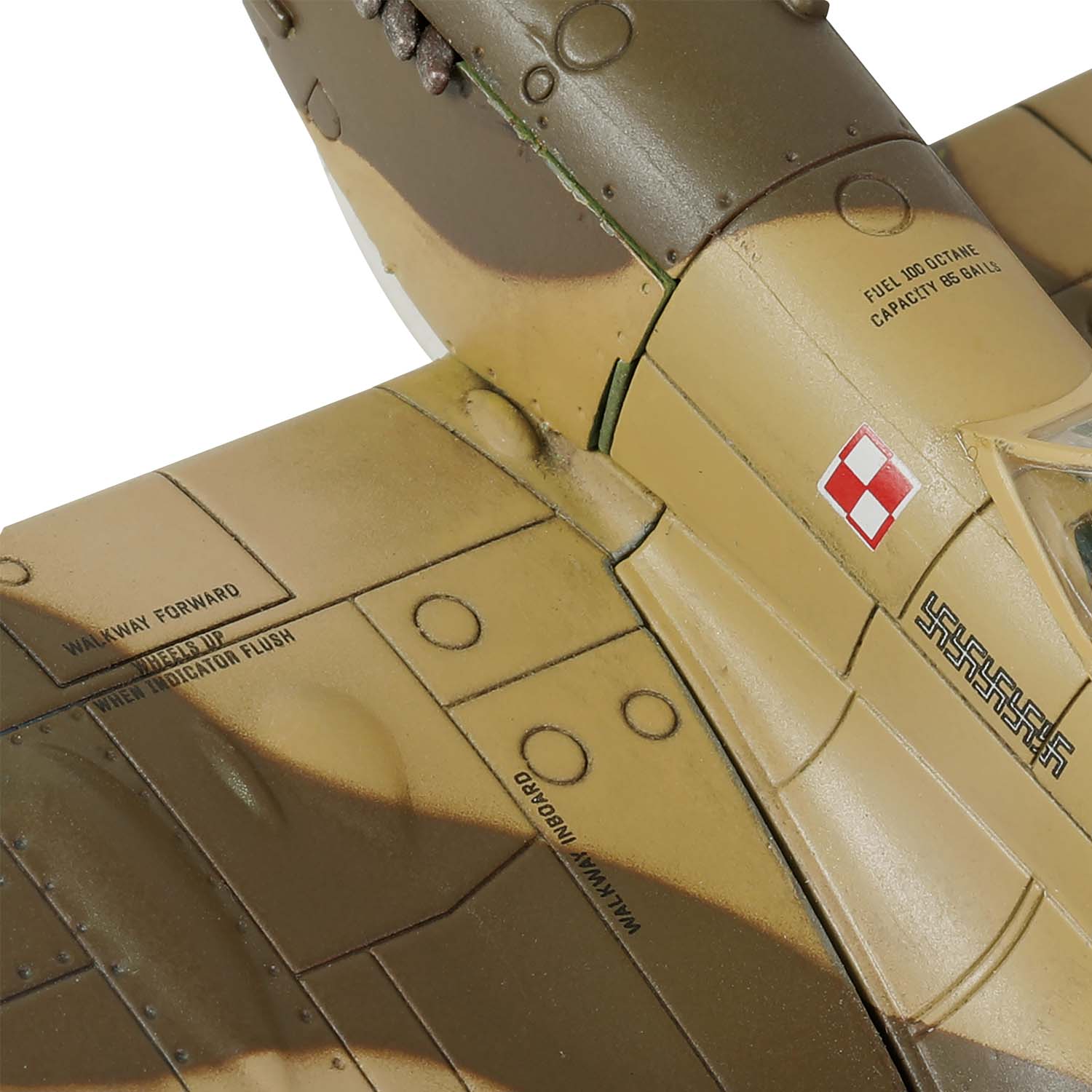
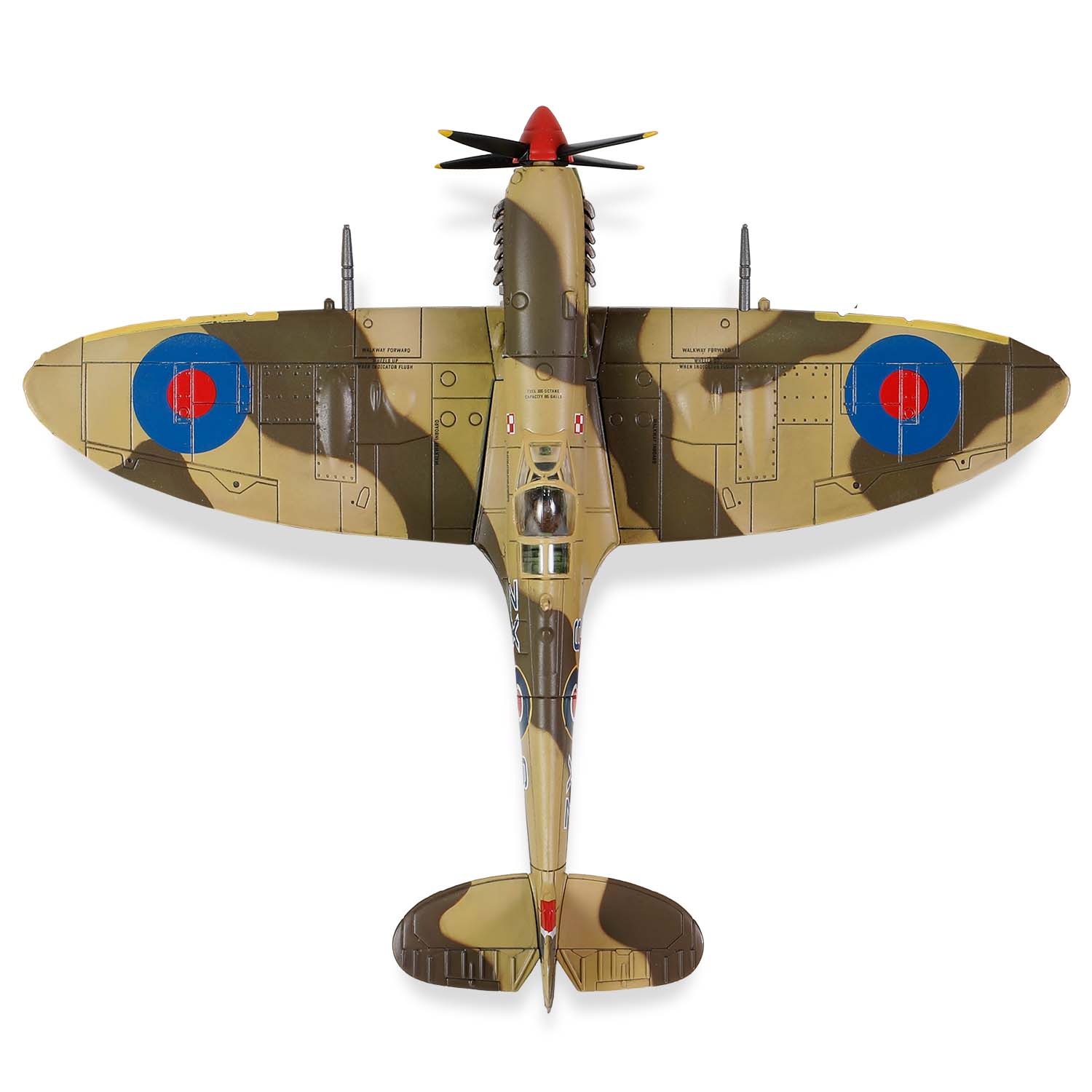
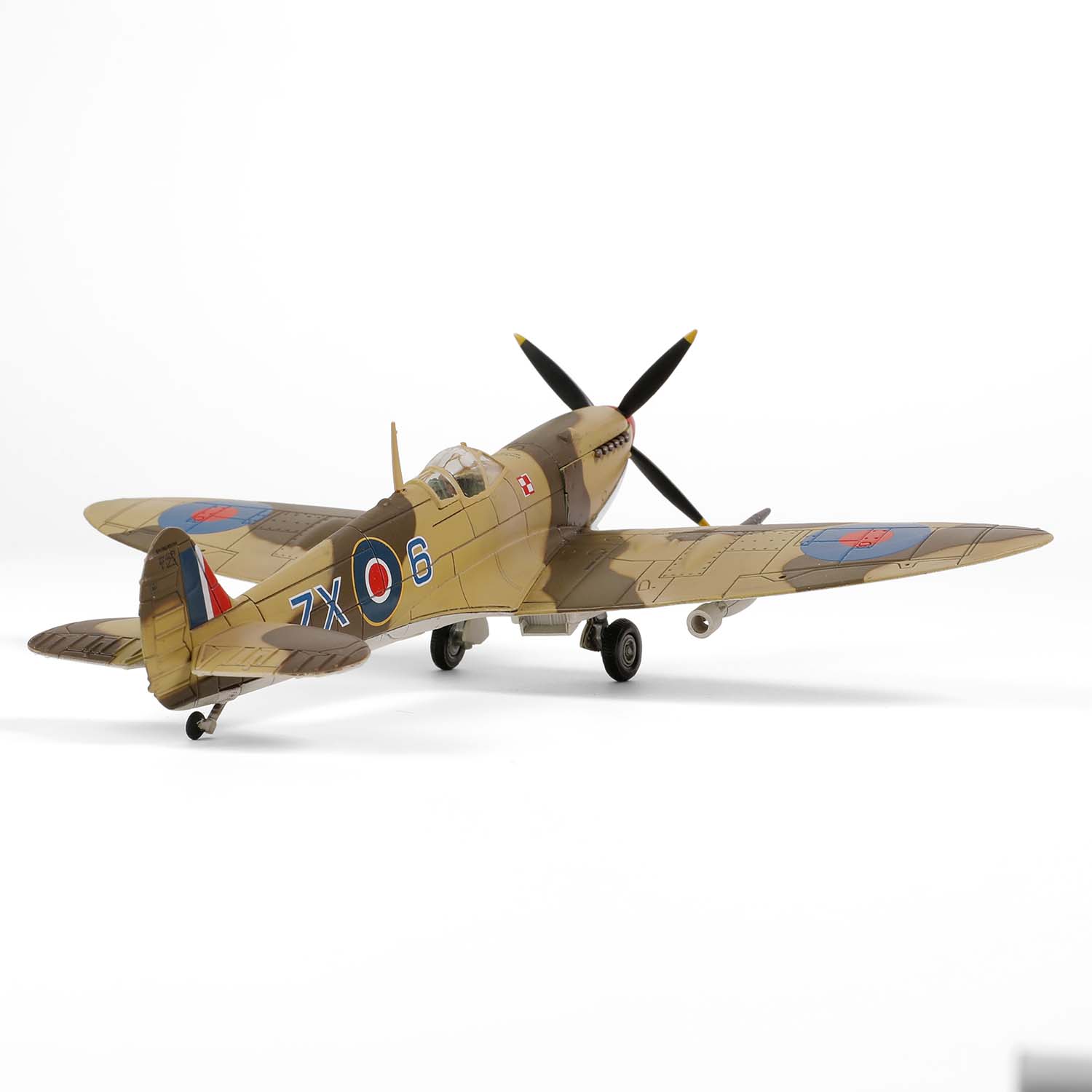
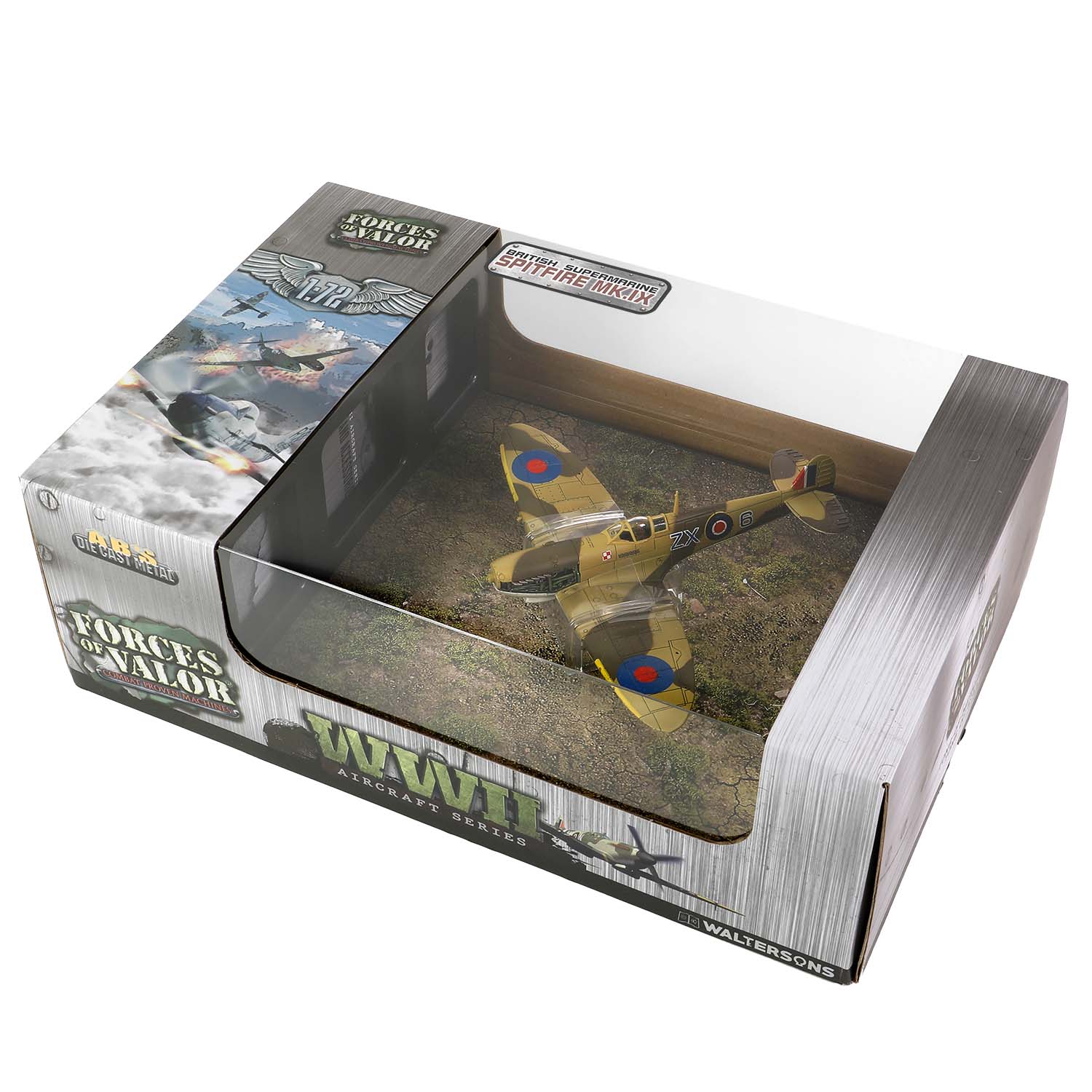
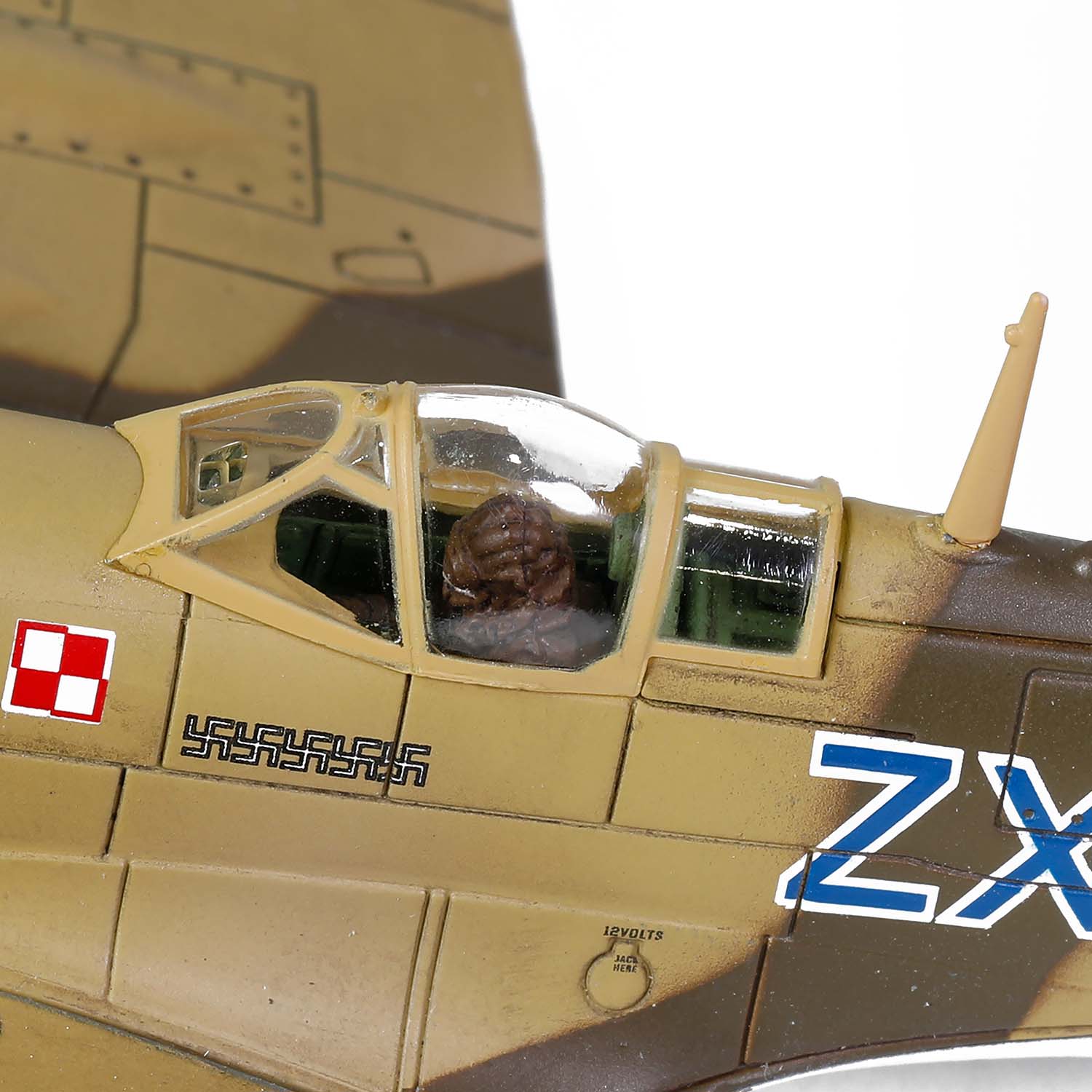
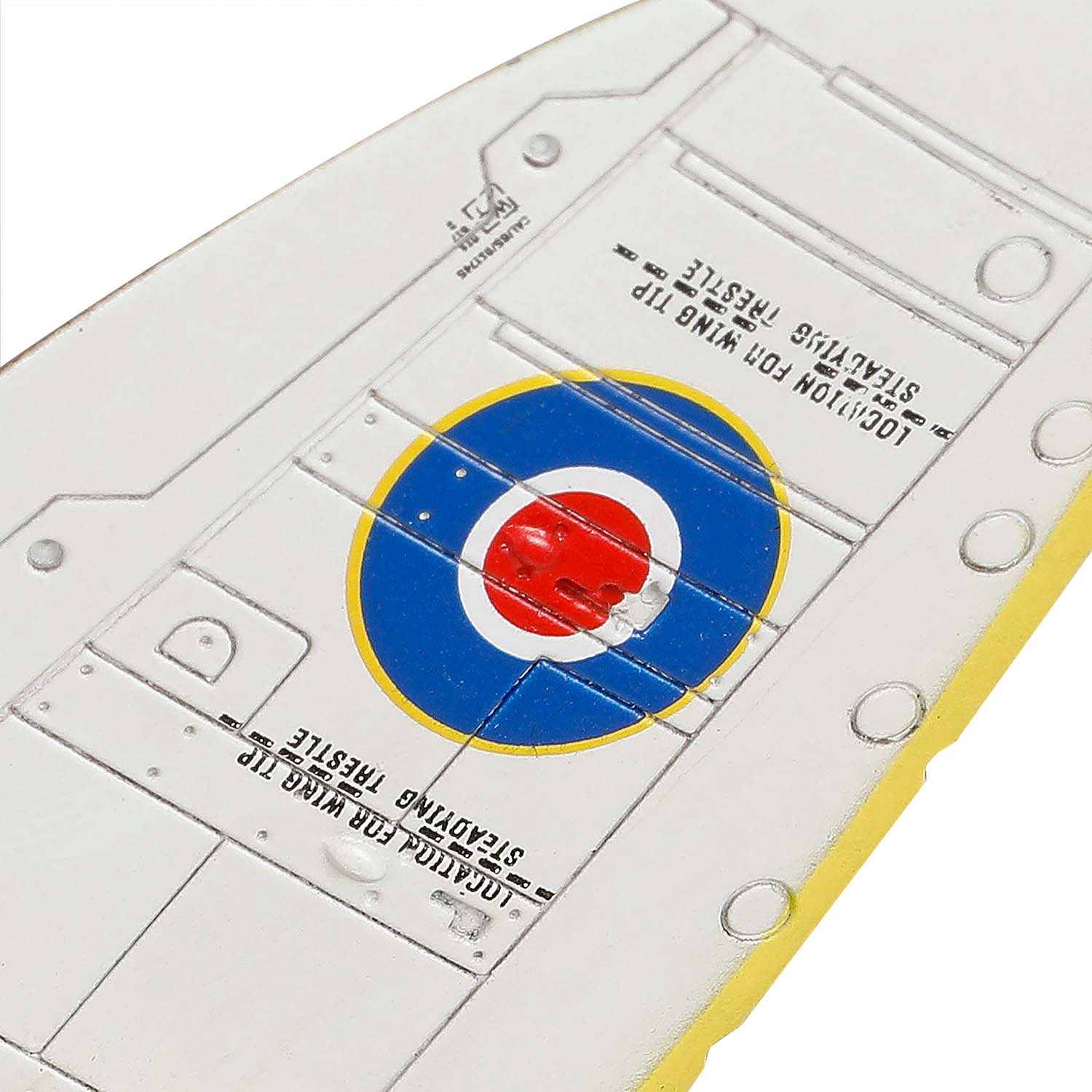
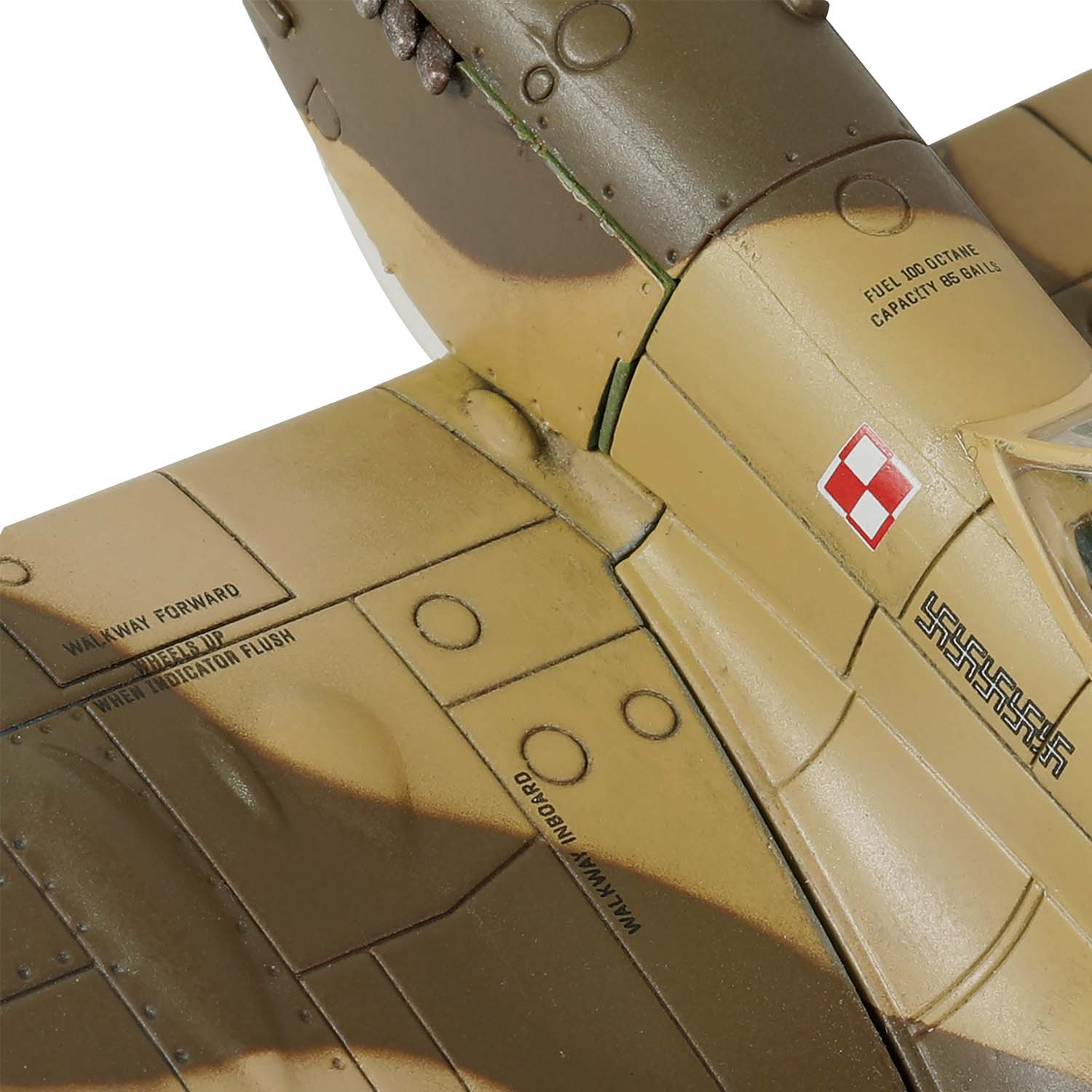
The iconic name "Spitfire" originated from Britain's pressing need to counter the escalating threat posed by the modernized German Luftwaffe in the 1930s. Facing this challenge, the British Air Ministry (the United Kingdom's aviation administration under the Ministry of Defence from 1918 to 1964) urgently required a new generation of interceptor aircraft. At that time, the Royal Air Force's fastest interceptors could only achieve speeds of approximately 350 km/h - far insufficient to counter Germany's rapidly developing new aircraft, which demanded interceptors capable of at least 480 km/h. This critical performance gap directly led to the Spitfire's creation.
The Supermarine Spitfire was conceived by R.J. Mitchell, chief designer of Supermarine Aviation Works. Development commenced in 1934 with the Type 300 prototype (K5054). Mitchell's vision was to engineer a short-range, high-performance interceptor that could:
-
Fully harness the power of Rolls-Royce's groundbreaking PV-XII V-12 engine (later renamed the Merlin engine)
-
Maintain exceptional stability at high speeds
-
Remain relatively pilot-friendly despite its advanced performance
The Type 300 incorporated revolutionary innovations for its era:
All-metal stressed-skin construction (monocoque fuselage + elliptical wings)
Fully retractable landing gear (dramatically reducing aerodynamic drag)
Sealed cockpit with oxygen systems (enabling high-altitude operations)
Radically thin wing profiles (optimized for speed and maneuverability)